



City Profile
Meriden, Connecticut
USA · Comprehensive city data and intelligence
Meriden, Connecticut, situated centrally in New Haven County, is known as the 'Silver City' due to its rich history in the silver manufacturing industry during the 19th and 20th centuries. Today, it functions primarily as a residential and light industrial hub offering a blend of historic New England charm and modern conveniences. People are drawn to Meriden for its strategic location right along major transit corridors, making commutes to Hartford and New Haven relatively straightforward.
Connecticut, located in southern New England, offers a blend of historic charm, natural beauty, and proximity to major cities like New York and Boston. The state's economy is robust, with major industries including finance and insurance, manufacturing (especially aerospace and defense), and healthcare. Living in Connecticut generally entails a higher cost of living than the national average, particularly for housing and utilities. The climate features four distinct seasons with cold, snowy winters and warm, humid summers, and residents enjoy a lifestyle that balances suburban tranquility with access to cultural attractions, outdoor activities, and strong public education.
How this 54/100 was calculated five components, with every reading behind them
| Component | Readings used | Points | Weight | Contributes |
|---|---|---|---|---|
| Safety | Safety score: 65 / 100 | 65.0 | 30% | 19.5 |
| Affordability | Cost of living index (100 = national baseline): 102.0 | 41.3 | 25% | 10.3 |
| Economy & jobs | Median household income: $68,500 Income needed to live here: $58,000 Unemployment rate: 4.5% | 58.2 | 20% | 11.6 |
| Growth | Population growth rate: 0.4% Job growth rate: 1.5% | 42.5 | 15% | 6.4 |
| Business climate assessment | Business climate assessment: 64 / 100 | 64.0 | 10% | 6.4 |
| Overall score | 54.2 | |||
Provenance.
These figures were produced by the research pass recorded as
Tier 2 (reasoned) (q=54, partial — below threshold), last refreshed
15 October 2026.
They are researched estimates drawn from public sources, not a licensed data feed.
Each component is scored against fixed published endpoints, so this number is comparable with any other city and does not move as the dataset grows. Scoring framework 2026.10 — full methodology, weights and accepted ranges.

Featured Events
Happening in Meriden
Featured and sponsored events in Meriden.
Local Directory
Businesses in Meriden
Featured local businesses in Meriden.

Performance
Quality Scores
Expenses
Cost of Living
The cost of living in Meriden is slightly below the Connecticut state average, though it generally hovers close to or marginally above the national average. Housing costs—both renting and purchasing—tend to be more accessible here than in coastal Fairfield County or the immediate suburbs of major cities, making it an attractive destination for families and first-time homebuyers. Everyday expenses like groceries and utilities align closely with regional New England pricing trends.
Income
Salary Insights
Meriden's local economy is anchored by healthcare, manufacturing, retail trade, and educational services. Major local employers include MidState Medical Center and various specialized manufacturing firms that carry forward the city's industrial legacy. While many residents commute to Hartford or New Haven for professional and corporate roles, the local business community benefits from ongoing downtown revitalization efforts and proximity to major regional highways.
The average salary in Meriden is $65,000 per year. You would need approximately $58,000 to live comfortably.
Employment
Top Industries
Weather
Climate
Mobility
Transport
Meriden is exceptionally well-connected by road and rail, sitting at the intersection of I-91, I-691, and Route 15. The Meriden transit station provides commuter rail service via the Hartford Line, connecting residents directly to New Haven, Hartford, and Springfield. While public transit is useful for rail commuters, daily life within the city heavily relies on personal vehicles due to moderate walkability and suburban spread.

At a Glance
Pros & Cons
Advantages
Drawbacks
Head to Head
Compare Meriden
Community Q&A
Questions about Meriden
What people ask about living in and moving to Meriden, Connecticut.
FAQ
Frequently Asked Questions
Senior Care in Meriden
24 assisted living, nursing & memory care facilities in Meriden.
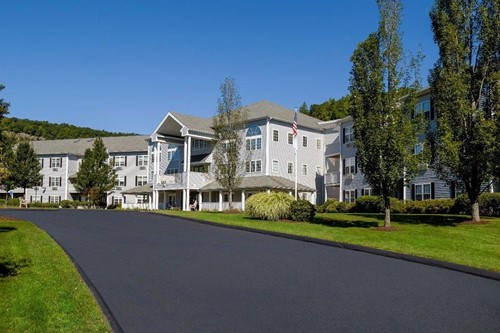 Assisted Living
The Village at Kensington Place
Meriden, CT
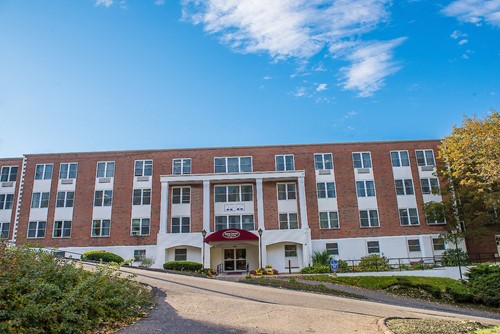 Assisted Living
Silver Springs Care Center
Meriden, CT
East Ridge Residential Care
Meriden, CT
Apple Rehab Coccomo
Meriden, CT
Connecticut Baptist Homes
Meriden, CT
Connecticut Baptist Homes, Inc
Meriden, CT
Bradley Home & Pavilion, The
Meriden, CT
Miller Memorial Community
Meriden, CT
Complete Care At Meriden, LLC
Meriden, CT
Curtis Home St Elizabeth Center
Meriden, CT
Meriden Center
Meriden, CT
Franciscan Family Care Center,
Meriden, CT
City Guide
Explore Meriden
Free Quotes
Get quotes from local pros in Meriden
Tell us what you need and we’ll pass it to companies that serve your area. It’s free, and there’s no obligation.

Compare Meriden with any city
See how it stacks up on cost, income, and quality of life.
Start Comparing