



City Profile
West Hartford, Connecticut
USA · Comprehensive city data and intelligence
West Hartford is consistently recognized as one of the premier places to live in Connecticut, blending historic New England charm with a vibrant, modern urban-suburban lifestyle. Founded in the 17th century as an agricultural offshoot of Hartford, the town evolved into a thriving residential and commercial hub known for its exceptional public schools, picturesque neighborhoods, and bustling commercial centers like Blue Back Square and West Hartford Center. People are drawn to the community for its unique balance of quiet, tree-lined residential streets and a walkable, cosmopolitan downtown offering high-end dining, boutique shopping, and cultural attractions.
Today, West Hartford maintains a reputation for civic engagement, environmental consciousness, and a strong sense of community pride. The town features an array of parks, community pools, and historical sites, such as the Noah Webster House, which celebrate its rich heritage. Its strategic location just west of Hartford provides residents with easy access to major employment centers across the state while retaining its distinct, tight-knit identity.
Connecticut, located in southern New England, offers a blend of historic charm, natural beauty, and proximity to major cities like New York and Boston. The state's economy is robust, with major industries including finance and insurance, manufacturing (especially aerospace and defense), and healthcare. Living in Connecticut generally entails a higher cost of living than the national average, particularly for housing and utilities. The climate features four distinct seasons with cold, snowy winters and warm, humid summers, and residents enjoy a lifestyle that balances suburban tranquility with access to cultural attractions, outdoor activities, and strong public education.
How this 62/100 was calculated five components, with every reading behind them
| Component | Readings used | Points | Weight | Contributes |
|---|---|---|---|---|
| Safety | Safety score: 85 / 100 | 85.0 | 30% | 25.5 |
| Affordability | Cost of living index (100 = national baseline): 122.0 | 16.3 | 25% | 4.1 |
| Economy & jobs | Median household income: $115,000 Income needed to live here: $70,000 Unemployment rate: 3.6% | 90.0 | 20% | 18.0 |
| Growth | Population growth rate: 0.4% Job growth rate: 1.8% | 45.5 | 15% | 6.8 |
| Business climate assessment | Business climate assessment: 76 / 100 | 76.0 | 10% | 7.6 |
| Overall score | 62.0 | |||
Provenance.
These figures were produced by the research pass recorded as
Tier 1 (fast) (q=52, partial — below threshold), last refreshed
15 October 2026.
They are researched estimates drawn from public sources, not a licensed data feed.
Each component is scored against fixed published endpoints, so this number is comparable with any other city and does not move as the dataset grows. Scoring framework 2026.10 — full methodology, weights and accepted ranges.

Featured Events
Happening in West Hartford
Featured and sponsored events in West Hartford.
Local Directory
Businesses in West Hartford
Featured local businesses in West Hartford.

Performance
Quality Scores
Expenses
Cost of Living
The cost of living in West Hartford is noticeably higher than the national average, driven primarily by strong demand for housing, excellent public school districts, and high property taxes typical of the Greater Hartford region. While everyday expenses like groceries and utilities align relatively closely with state and regional trends, housing costs—both for purchasing and renting—sit well above national benchmarks due to the town's desirability.
Factors pushing costs up include limited new housing inventory, highly rated municipal services, and significant investments in community infrastructure and education. Conversely, residents often find that the high quality of public amenities, robust municipal services, and strong property value appreciation offset some of the financial premiums required to live within the town borders.
Income
Salary Insights
West Hartford's economy is deeply integrated with the broader Hartford metropolitan area, which serves as a major hub for insurance, healthcare, financial services, and advanced manufacturing. While many residents commute into nearby Hartford, the town itself hosts a thriving local economy anchored by robust retail, professional services, healthcare clinics, and education sectors. Blue Back Square and West Hartford Center function as major commercial engines, supporting numerous small businesses, restaurants, and corporate offices.
The local job market benefits from a highly educated workforce and proximity to major regional employers such as Travelers, The Hartford, and Hartford HealthCare. Entrepreneurial activity is strong, supported by an active chamber of commerce and a community that strongly favors local businesses. The rise of remote and hybrid work models has also allowed many residents to balance local living with regional or national corporate positions.
The average salary in West Hartford is $82,000 per year. You would need approximately $70,000 to live comfortably.
Employment
Top Industries
Weather
Climate
Mobility
Transport
Transportation in West Hartford relies heavily on personal vehicles, though the town offers better pedestrian and transit infrastructure than many surrounding suburban areas. Major thoroughfares like I-84 and Route 9 run directly through or adjacent to the town, providing efficient regional connectivity to Hartford, New York, and Boston.
Public transit is serviced by CTtransit bus routes connecting West Hartford to downtown Hartford and surrounding towns. The town center and surrounding neighborhoods feature high walkability scores relative to the region, with pedestrian-friendly sidewalks, bike lanes, and initiatives aimed at improving non-motorized mobility.

At a Glance
Pros & Cons
Advantages
Drawbacks
Head to Head
Compare West Hartford
Community Q&A
Questions about West Hartford
What people ask about living in and moving to West Hartford, Connecticut.
FAQ
Frequently Asked Questions
Senior Care in West Hartford
32 assisted living, nursing & memory care facilities in West Hartford.
 Senior Care
The Canterbury Retirement
West Hartford, CT
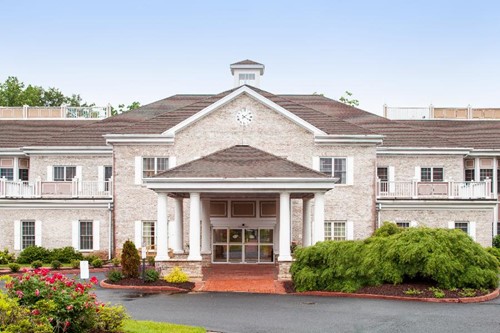 Assisted Living
The Reservoir
West Hartford, CT
The McAuley
West Hartford, CT
St Mary Home
West Hartford, CT
Hoffman Summerwood Community
West Hartford, CT
Hebrew Center For Health And Rehabilitation
West Hartford, CT
JFS Care at Home LLC - West Hartford
West Hartford, CT
Brookdale West Hartford
West Hartford, CT
Home Instead - West Hartford
West Hartford, CT
The Holiday Retirement
West Hartford, CT
Hughes Health And Rehabilitation
West Hartford, CT
AVIVA West Hartford
West Hartford, CT
Free Quotes
Get quotes from local pros in West Hartford
Tell us what you need and we’ll pass it to companies that serve your area. It’s free, and there’s no obligation.

Compare West Hartford with any city
See how it stacks up on cost, income, and quality of life.
Start Comparing