



Lawrence, Kansas is a vibrant and culturally rich Midwestern city nestled in the rolling hills of the Wakarusa and Kansas River valleys. Founded in 1854 by the New England Emigrant Aid Company, the city holds a prominent place in American history as a center of Free-State sentiment leading up to the Civil War. Today, it is best known as the home of the University of Kansas, which infuses the community with a youthful energy, intellectual curiosity, and a passionate devotion to college athletics. Beyond its academic roots, Lawrence boasts a thriving arts scene, historic architecture, and a progressive culture that sets it apart from much of the surrounding region.
Kansas, known as the "Sunflower State," offers a blend of rural charm and urban development, characterized by friendly communities and a relaxed pace of life. Its economy is diverse, with major industries including agriculture (a leading producer of wheat, corn, and sorghum), aerospace, advanced manufacturing, and professional services. Living in Kansas is generally affordable, with a cost of living approximately 10-15% lower than the national average, particularly for housing. The state experiences four distinct seasons with warm to hot summers, mild to cold winters, and moderate humidity, though it is prone to severe weather like thunderstorms and tornadoes, especially in spring and early summer.
How this 63/100 was calculated five components, with every reading behind them
| Component | Readings used | Points | Weight | Contributes |
|---|---|---|---|---|
| Safety | Safety score: 71 / 100 | 71.0 | 30% | 21.3 |
| Affordability | Cost of living index (100 = national baseline): 94.0 | 51.3 | 25% | 12.8 |
| Economy & jobs | Median household income: $65,400 Income needed to live here: $52,000 Unemployment rate: 3.2% | 71.1 | 20% | 14.2 |
| Growth | Population growth rate: 0.8% Job growth rate: 1.9% | 51.5 | 15% | 7.7 |
| Business climate assessment | Business climate assessment: 70 / 100 | 70.0 | 10% | 7.0 |
| Overall score | 63.1 | |||
Provenance.
These figures were produced by the research pass recorded as
Tier 1 (fast) (q=52, partial — below threshold), last refreshed
16 October 2026.
They are researched estimates drawn from public sources, not a licensed data feed.
Each component is scored against fixed published endpoints, so this number is comparable with any other city and does not move as the dataset grows. Scoring framework 2026.10 — full methodology, weights and accepted ranges.

Featured Events
Happening in Lawrence
Featured and sponsored events in Lawrence.
Local Directory
Businesses in Lawrence
Featured local businesses in Lawrence.

Performance
Quality Scores
Expenses
Cost of Living
The cost of living in Lawrence is generally slightly below the national average, making it an attractive destination for families, young professionals, and retirees alike. Housing costs, while rising due to demand, remain quite reasonable compared to major coastal metropolitan areas and even nearby Kansas City. Everyday goods, utilities, and transportation expenses track closely with or slightly under national benchmarks, allowing residents to enjoy a comfortable lifestyle without excessive financial strain.
Income
Salary Insights
Lawrence's economy is heavily anchored by the University of Kansas, which serves as the city's largest employer and a major driver of local economic stability. Education, healthcare, and research institutions form the backbone of the employment landscape, supplemented by a growing sector of technology startups, local manufacturing, and specialized professional services. The city also features a vibrant entrepreneurial ecosystem supported by local incubators and a downtown commercial district filled with independent businesses.
The average salary in Lawrence is $61,000 per year. You would need approximately $52,000 to live comfortably.
Employment
Top Industries
Weather
Climate
Mobility
Transport
Getting around Lawrence is relatively straightforward, with a compact layout that supports both driving and alternative transit options. The Lawrence Transit system provides fixed-route bus services throughout the city, including specialized routes catering to university students and faculty. While the city is car-dependent for longer regional commutes, central areas and the campus core feature high walkability and bike-friendly infrastructure.

At a Glance
Pros & Cons
Advantages
Drawbacks
Community Q&A
Questions about Lawrence
What people ask about living in and moving to Lawrence, Kansas.
FAQ
Frequently Asked Questions
Businesses for Sale in Lawrence
Explore active acquisition & franchise opportunities .

Senior Care in Lawrence
13 assisted living, nursing & memory care facilities in Lawrence.
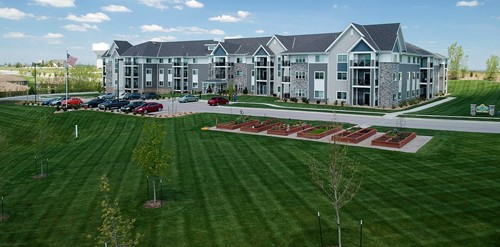 Senior Care
Village Cooperative of Lawrence, KS
Lawrence, KS
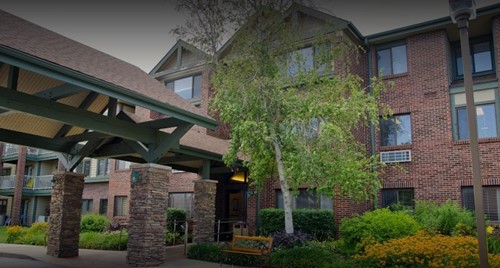 Senior Care
Brandon Woods At Alvamar
Lawrence, KS
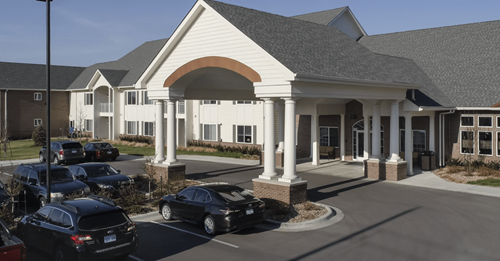 Senior Care
Pioneer Ridge Independent Living
Lawrence, KS
 Assisted Living
Pioneer Ridge Assisted Living
Lawrence, KS
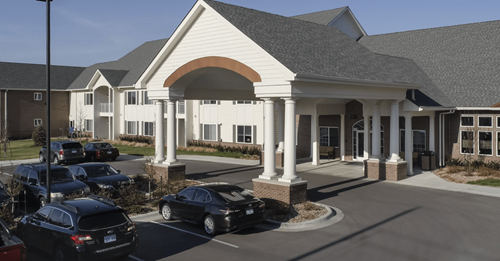 Assisted Living
Pioneer Ridge Retirement Community
Lawrence, KS
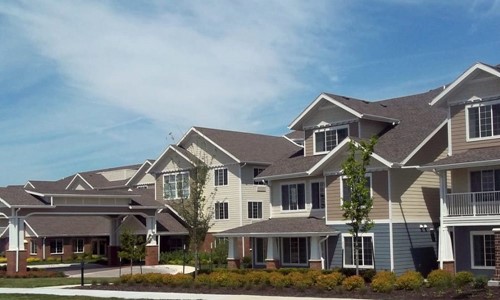 Senior Care
Meadowlark Estates
Lawrence, KS
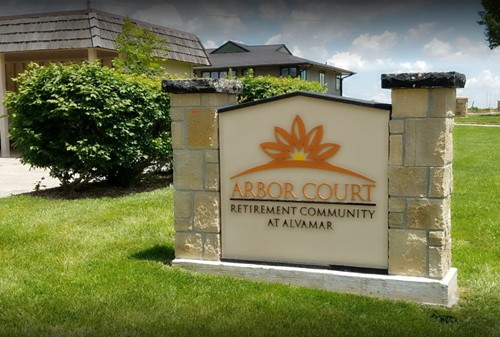 Senior Care
Arbor Court Retirement Community at Alvamar
Lawrence, KS
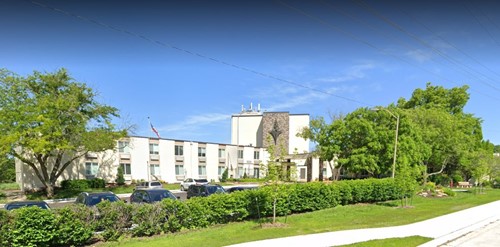 Senior Care
Lawrence Presbyterian Manor - Independent, Assisted Living &...
Lawrence, KS
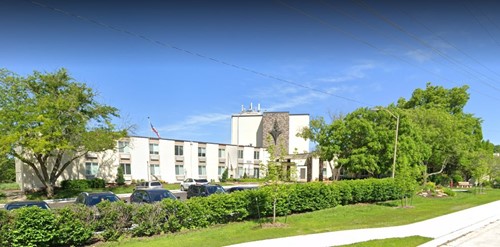 Assisted Living
Lawrence Presbyterian Manor
Lawrence, KS
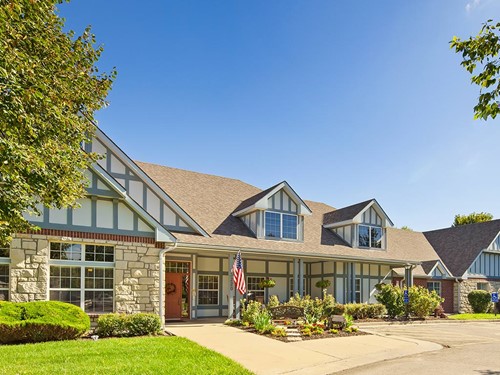 Assisted Living
The Windsor of Lawrence
Lawrence, KS
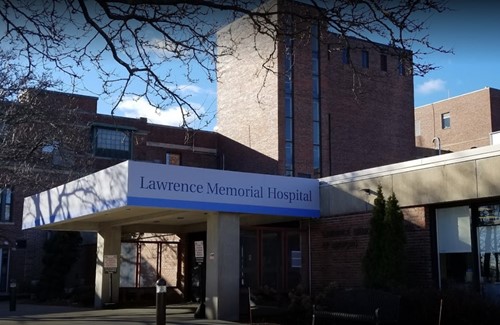 Assisted Living
Lawrence Memorial Hospital Snf
Lawrence, KS
Visiting Nurses Association (Vna)
Lawrence, KS
Free Quotes
Get quotes from local pros in Lawrence
Tell us what you need and we’ll pass it to companies that serve your area. It’s free, and there’s no obligation.

Compare Lawrence with any city
See how it stacks up on cost, income, and quality of life.
Start Comparing