


City Profile
Billings, Montana
USA · Comprehensive city data and intelligence
Billings, Montana, known as the "Magic City" due to its rapid growth since its founding as a railroad town in 1882, is the largest city in Montana and the commercial hub for a wide rural region. Nestled in the fertile Yellowstone River valley and framed by scenic sandstone cliffs known as the Rimrocks, Billings offers a blend of natural beauty and urban amenities. People are drawn to Billings for its laid-back, small-town attitude, resilient economy, and access to abundant outdoor activities. It serves as a major retail, medical, and energy center for much of Montana, northern Wyoming, and parts of North and South Dakota.
The city provides a balance of big-city conveniences and small-town charm, making it an attractive option for families and professionals. Billings is home to Montana State University Billings and offers a diverse range of public and private schools. Its strategic location also places it within a day's trip of famous sites like Yellowstone National Park, offering residents world-class fly fishing, hiking, and biking trails.
Montana, known as "Big Sky Country," offers a peaceful, nature-centric lifestyle with vast open spaces and a strong sense of community. Its economy is primarily driven by agriculture, forestry, mining, energy production, and a growing service sector that includes tourism and outdoor recreation. While the cost of living can vary, with urban areas like Bozeman being more expensive, some smaller towns offer more affordable options, and the state benefits from no sales tax. Montana experiences significant climatic variations due to its diverse geography, with warm summers and cold, snowy winters, especially in the mountainous western regions.

Featured Events
Happening in Billings
Featured and sponsored events in Billings.
Local Directory
Businesses in Billings
Featured local businesses in Billings.
Performance
Quality Scores
Expenses
Cost of Living
The cost of living in Billings is generally lower than the national average, making it a more budget-friendly option compared to many other U.S. cities. According to one widely used index, the overall cost of living typically trends about 5% to 6% below the U.S. average, with a cost of living index around 95. This affordability is largely driven by housing costs, which are significantly more reasonable than the national median.
While housing is more affordable, some expenses like groceries and transportation can be slightly higher than the national average. For instance, grocery costs in Billings are about 3.3% higher than the national average. Utilities, however, tend to be more moderate, running approximately 18.3% lower than the national average. The absence of a state or local sales tax in Montana also contributes to overall savings for residents.
Income
Salary Insights
Billings boasts a strong and diverse economy, serving as the largest retail, medical, and energy hub in the region. The city's job market is robust, with employment growing at a rate of 1.35% from 2023 to 2024. Major employers include healthcare providers like Billings Clinic and St. Vincent Healthcare, as well as Billings Public Schools and First Interstate BancSystem.
The top industries driving Billings' economy are healthcare, energy, agriculture, retail and wholesale trade, and education. The energy sector benefits from the region's coal, oil, and natural gas resources, while the fertile Yellowstone Valley supports a strong agricultural industry. The city's economic resilience and steady job growth make it an appealing location for newcomers seeking career opportunities.
The average salary in Billings is $68,328 per year. You would need approximately $71,000 to live comfortably.
Employment
Top Industries
Weather
Climate
Mobility
Transport
Getting around Billings is primarily car-dependent, with most errands requiring a vehicle. The city has an average Walk Score of 35, indicating it is a car-dependent city, and a Transit Score of 25, ranking it low for public transportation options compared to other U.S. cities. However, Billings does have a Bike Score of 63, encouraging an active lifestyle for cyclists.
Despite the car-centric layout, residents benefit from relatively short commute times, averaging around 16.5 to 19 minutes. The city's public transit system, MET Transit, offers bus services with affordable monthly passes, connecting various parts of the city, including the hospital corridor and downtown. Interstate 90 runs east to west through the city, making regional travel straightforward.

At a Glance
Pros & Cons
Advantages
Drawbacks
Head to Head
Compare Billings
Community Q&A
Questions about Billings
What people ask about living in and moving to Billings, Montana.
What are popular outdoor activities near Billings?
Billings is surrounded by scenic landscapes, including rivers, parks, and foothills. Popular outdoor pursuits include hiking, biking, and kayaking along nearby waterways. There are also several state parks and natural areas within a short drive that offer trails of varying difficulty. Seasonal activities like fishing, hunting, and wildlife viewing are common, especially during spring and fall. Local recreation center...
What should I know about moving my furniture into Billings?
When moving into Billings, consider the size of your rental unit and the layout of the street. Many residential areas have narrow driveways and limited parking, so arranging a moving truck or a local moving service that can navigate tight spaces is advisable. Check for any HOA or city regulations regarding delivery times and parking permits. Planning your move during off-peak hours can reduce traffic delays and make...
What is the overall vibe of Billings for newcomers?
Billings combines a small‑town feel with the conveniences of a mid‑size city. Residents often describe it as friendly and community-oriented, with a strong sense of local pride. The city hosts various cultural events, farmers markets, and festivals throughout the year, which help newcomers integrate. The local economy is diverse, with opportunities in healthcare, education, and growing tech sectors. Engaging with com...
How does Billings compare to the national average in terms of living expenses?
Billings has a cost of living index of 95, which is slightly below the national average of 100. This means that, on average, goods and services such as groceries, utilities, and transportation are a bit cheaper than in the U.S. overall. However, the average rent is around $1,390 per month, which is comparable to many mid-sized cities. When budgeting, consider that while everyday costs are lower, housing remains a sig...
What are typical rent prices for a two-bedroom apartment in Billings?
The average rent for a two-bedroom apartment in Billings is about $1,390 per month. Prices can vary based on location, amenities, and proximity to downtown. Apartments closer to the city center or with newer amenities may be slightly higher, while those on the outskirts might be lower. Look at local rental platforms and neighborhood guides to compare listings. Also, consider the lease terms, utilities included, and a...
What is the average salary for a software engineer in Billings?
The average salary in Billings across all occupations is $68,328 per year. For specialized roles like software engineering, salaries can range from about $70,000 to $90,000 depending on experience and company size. The local tech scene is growing, with several firms and startups seeking talent. To get a precise figure, review job postings in the area, noting the salary ranges listed, and consider networking with loca...
How are the public schools rated in Billings?
Billings offers a mix of elementary, middle, and high schools with varying performance levels. Some schools consistently receive above-average ratings, while others are in the middle range. The local school district provides detailed performance reports, including test scores and graduation rates, which can be found on the district’s website. Additionally, community forums and parent groups often share firsthand expe...
Is Billings considered a safe city for families?
Billings has a safety score of 40 out of 100, which is below the national average. This indicates that crime rates are higher than in many other U.S. cities. However, safety can vary significantly by neighborhood. Researching specific areas, checking local crime statistics, and speaking with residents can provide a clearer picture. Visiting neighborhoods at different times of day and reviewing community watch reports...
What public transportation options are available in Billings?
Billings offers a city transit authority that operates bus routes covering most of the metropolitan area. Buses run on a regular schedule, with routes connecting downtown, residential neighborhoods, and key commercial districts. The transit system provides fare information, route maps, and real-time tracking through its official website. For longer commutes, consider ride-share services or carpooling options that are...
What healthcare facilities are in Billings?
Billings hosts several hospitals and medical centers that offer a range of services from emergency care to specialized treatments. These facilities are equipped with modern technology and staffed by experienced clinicians. They also provide outpatient clinics, urgent care, and diagnostic labs. To find the nearest hospital, use the city’s health department website or a local directory that lists medical centers by loc...
Answers marked “AI answer” were written by AI as a starting point and may be out of date. Live in Billings? Add your own answer.
FAQ
Frequently Asked Questions
Businesses for Sale in Billings
Explore active acquisition & franchise opportunities .
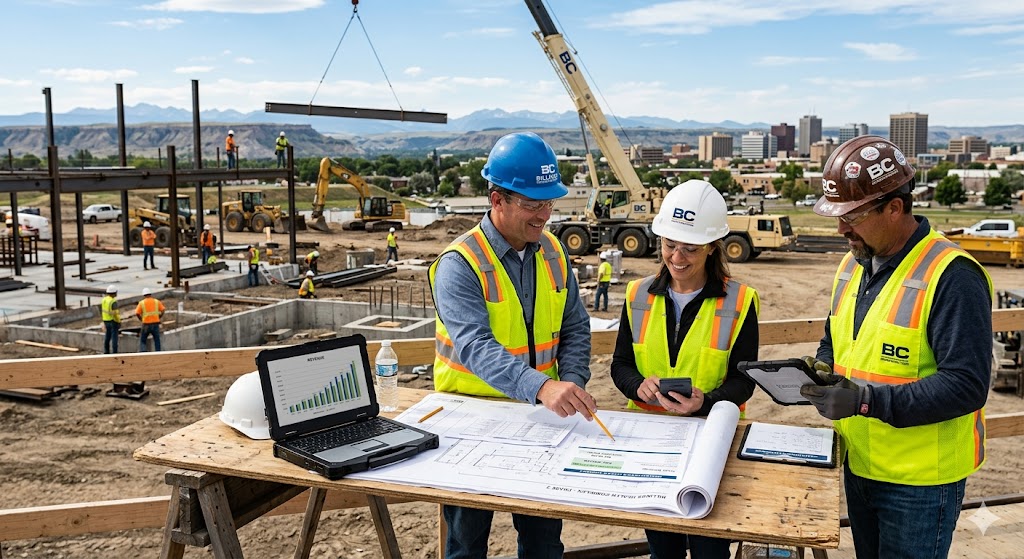
Senior Care in Billings
8 assisted living, nursing & memory care facilities in Billings.
 Senior Care
St. John's United - Mission Ridge
Billings, MT
 Senior Care
Aspen Meadows Healthcare
Billings, MT
 Senior Care
RiverStone Health Hospice Home
Billings, MT
 Senior Care
Holiday Senior Living by Atria
Billings, MT
 Senior Care
Alzheimer Association-Montana
Billings, MT
 Senior Care
SCL Health Medical Group - Billings Transitional Care
Billings, MT
 Senior Care
Aware Inc.
Billings, MT
 Senior Care
Adult Resource Alliance Heights
Billings, MT
City Guide
Explore Billings
Free Quotes
Get quotes from local pros in Billings
Tell us what you need and we’ll pass it to companies that serve your area. It’s free, and there’s no obligation.

Compare Billings with any city
See how it stacks up on cost, income, and quality of life.
Start Comparing