


City Profile
Binghamton, New York
USA · Comprehensive city data and intelligence
Binghamton, New York, is a city nestled in the Southern Tier region, at the confluence of the Susquehanna and Chenango Rivers. Historically recognized for its industrial roots, particularly in manufacturing and technology with companies like IBM, the city has evolved into a diversified economic hub. Binghamton is also home to Binghamton University, which serves as a significant economic and cultural anchor for the region. The city offers a blend of urban amenities and access to natural landscapes, attracting those seeking a more balanced lifestyle away from larger metropolitan areas. Its rich history is reflected in its architecture and community character, providing a sense of established charm.
New York, USA, is a diverse state offering both the fast-paced, culturally rich environment of New York City and the more tranquil, naturally beautiful landscapes of upstate regions. The state's economy, the third largest in the U.S., is heavily driven by service-providing sectors, with finance, healthcare, and professional and business services being major industries, particularly in NYC. Living costs are significantly higher than the national average, especially in New York City where housing is a primary expense, though more affordable options exist upstate. The climate ranges from humid continental in upstate areas with cold, snowy winters and warm summers, to a humid subtropical climate in the New York City metropolitan area, characterized by hot, humid summers and moderately cold winters. The lifestyle varies from the constant energy and extensive cultural, dining, and career opportunities of NYC to a slower pace with abundant outdoor recreation in other parts of the state.

Performance
Quality Scores
Expenses
Cost of Living
The cost of living in Binghamton is generally considered more affordable than the national average, though some sources present conflicting data. According to Salary.com, Binghamton's cost of living in 2026 is 3% higher than the U.S. national average, with housing costs being 27.7% lower. However, other analyses suggest it is less expensive than the national average. Housing is a significant factor in the overall cost, with average rents for a one-bedroom apartment in the city center around $1,138 per month. Utilities, food, and transportation costs contribute to the monthly expenses, with groceries for an individual averaging around $404 per month.
Income
Salary Insights
Binghamton's economy has transitioned from its heavy manufacturing past to a more diversified landscape. Key industries driving employment in the region include healthcare, education, advanced manufacturing, technology, hospitality, and construction. Major employers like Binghamton University, Lockheed Martin, BAE Systems, and United Health Services contribute significantly to the job market. From 2023 to 2024, employment in Binghamton saw a growth rate of approximately 0.8%. The region has also seen new private investment, with over $174 million in 2024, supporting job creation in high-growth sectors like clean energy manufacturing and affordable housing.
The average salary in Binghamton is $55,000 per year. You would need approximately $45,000 to live comfortably.
Employment
Top Industries
Weather
Climate
Mobility
Transport
Getting around Binghamton primarily involves driving, with an average commute time of 16 minutes. The city has an average Walk Score of 55, indicating that some errands can be accomplished on foot, particularly in more walkable neighborhoods like First Ward and Southside East. The Transit Score for Downtown Binghamton is 33, suggesting limited public transportation options. Car ownership is common, with an average of two cars per household in the metro area. Public bus services are available, and for Binghamton University students, bus systems are often free with a student ID.
At a Glance
Pros & Cons
Advantages
Drawbacks
Head to Head
Compare Binghamton
More in Binghamton
Do business & find care in Binghamton
Business & Franchises
Ready to buy, franchise, or launch a business in Binghamton, New York?
Powered by AziBizSenior Care
Find assisted living, nursing homes, and senior care options in Binghamton, New York.
Powered by FindCarezBusinesses for Sale in New York
Explore active acquisition & franchise opportunities across New York.
 Independent
Fitness Gym for Sale – Albany
Albany, New York
 Service Company
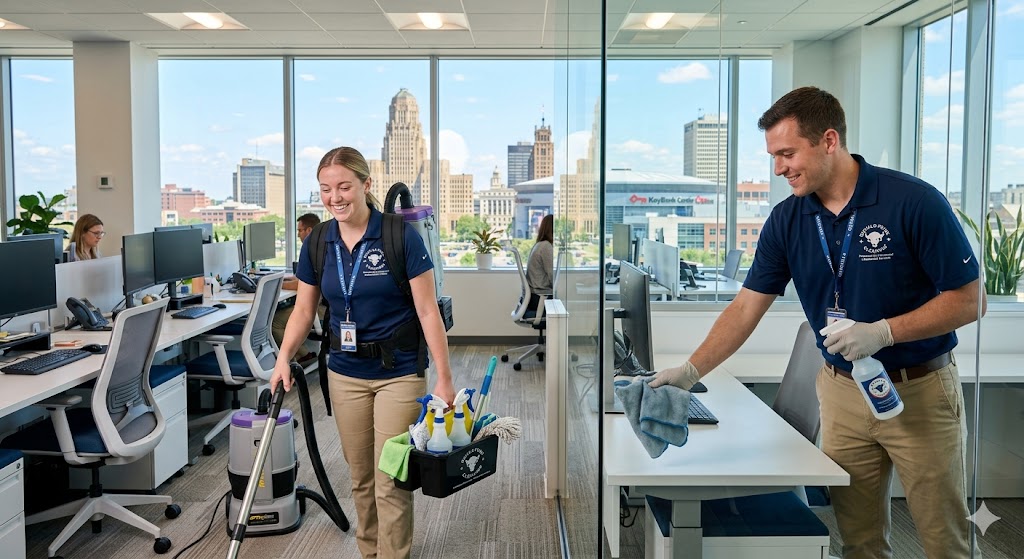
Successful Cleaning Company for Sale – Buffalo
Buffalo, New York
 Independent
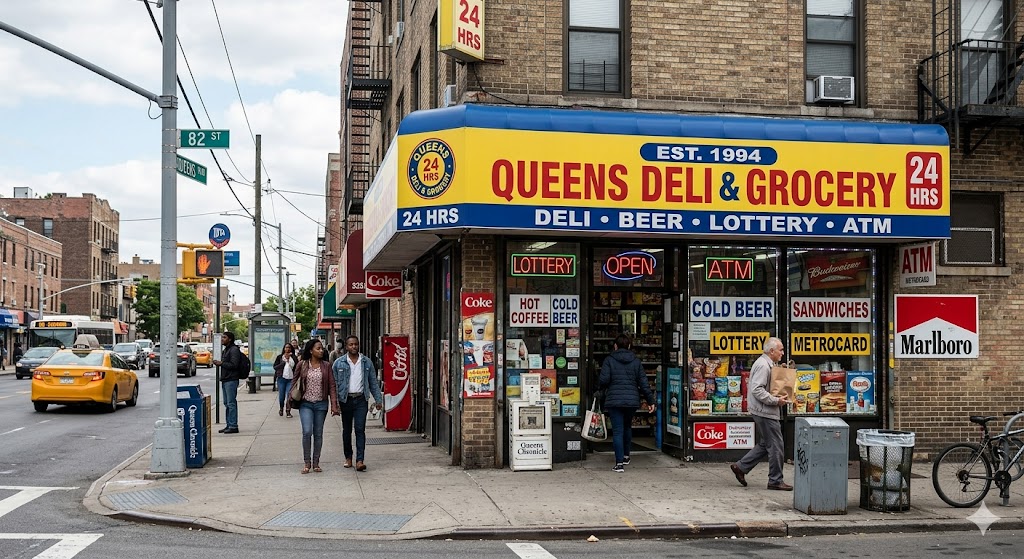
Retail Convenience Store for Sale – Queens
Queens, New York
 Independent
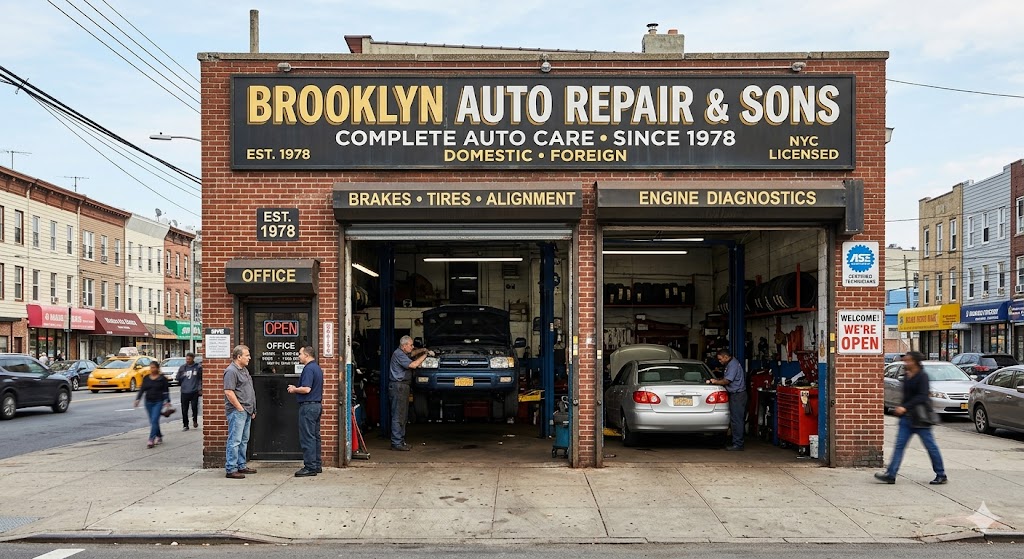
Established Auto Repair Shop for Sale – Brooklyn
Brooklyn, New York
 Independent
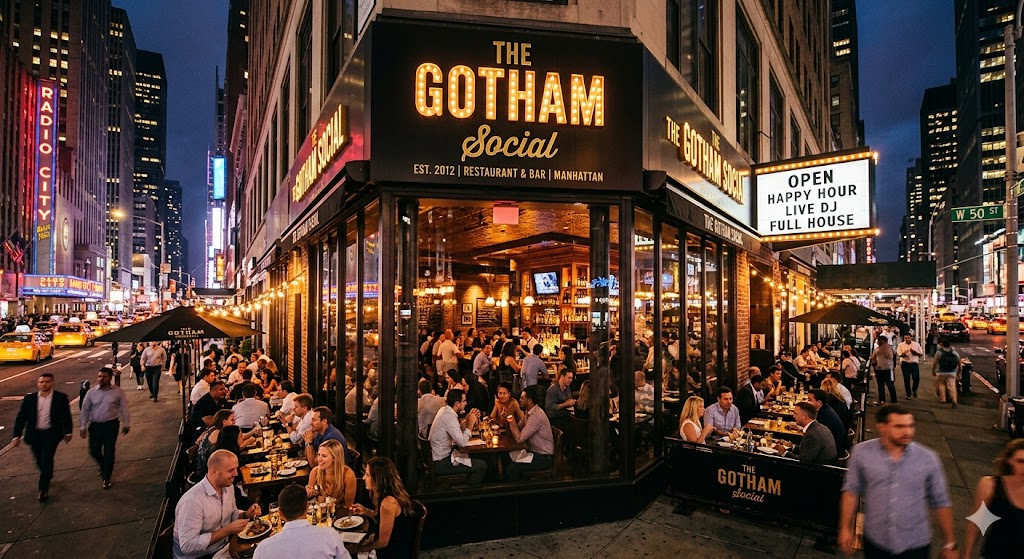
Profitable Restaurant & Bar for Sale – Manhattan
New York City, New York
 Established Business
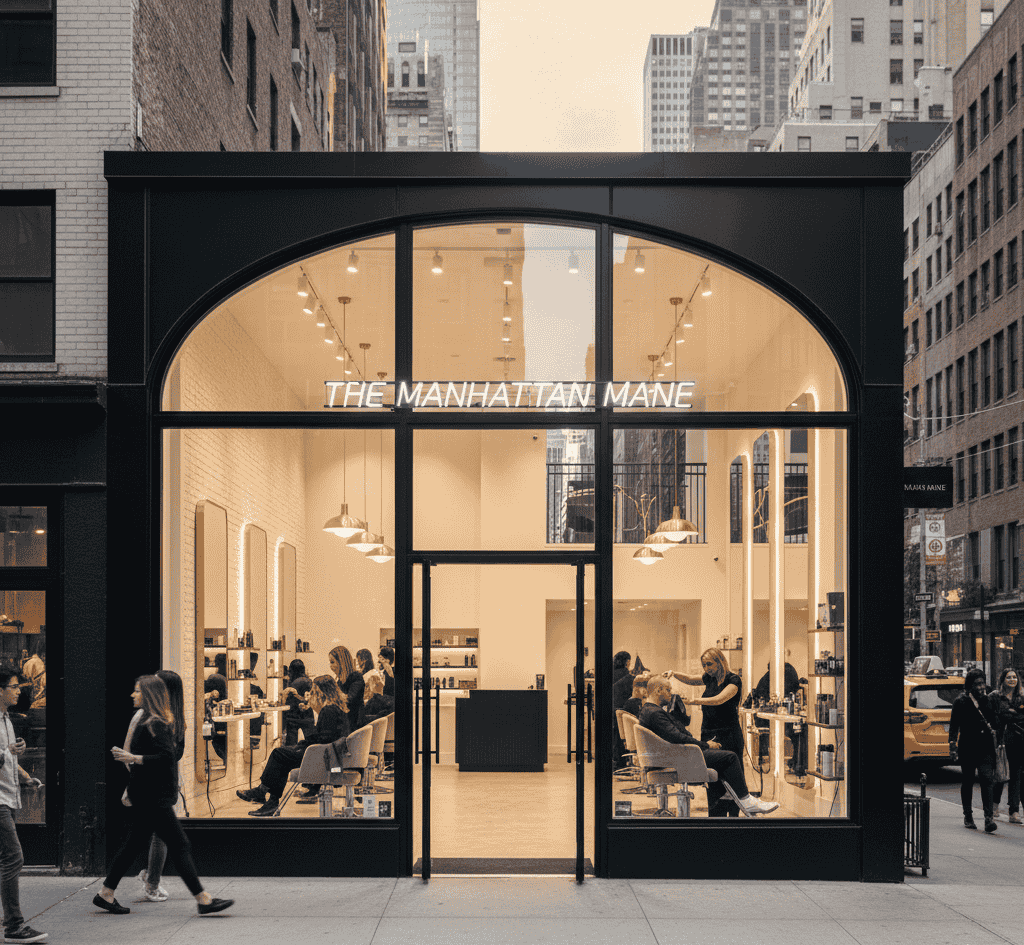
Upscale Hair Salon in Midtown Manhattan
New York, New York
 Established Business
Managed IT & Cybersecurity Services Company in NYC
New York, New York
 Retail
Boutique Retail Store in New York City
New York, New York
 Commercial Office Spac...
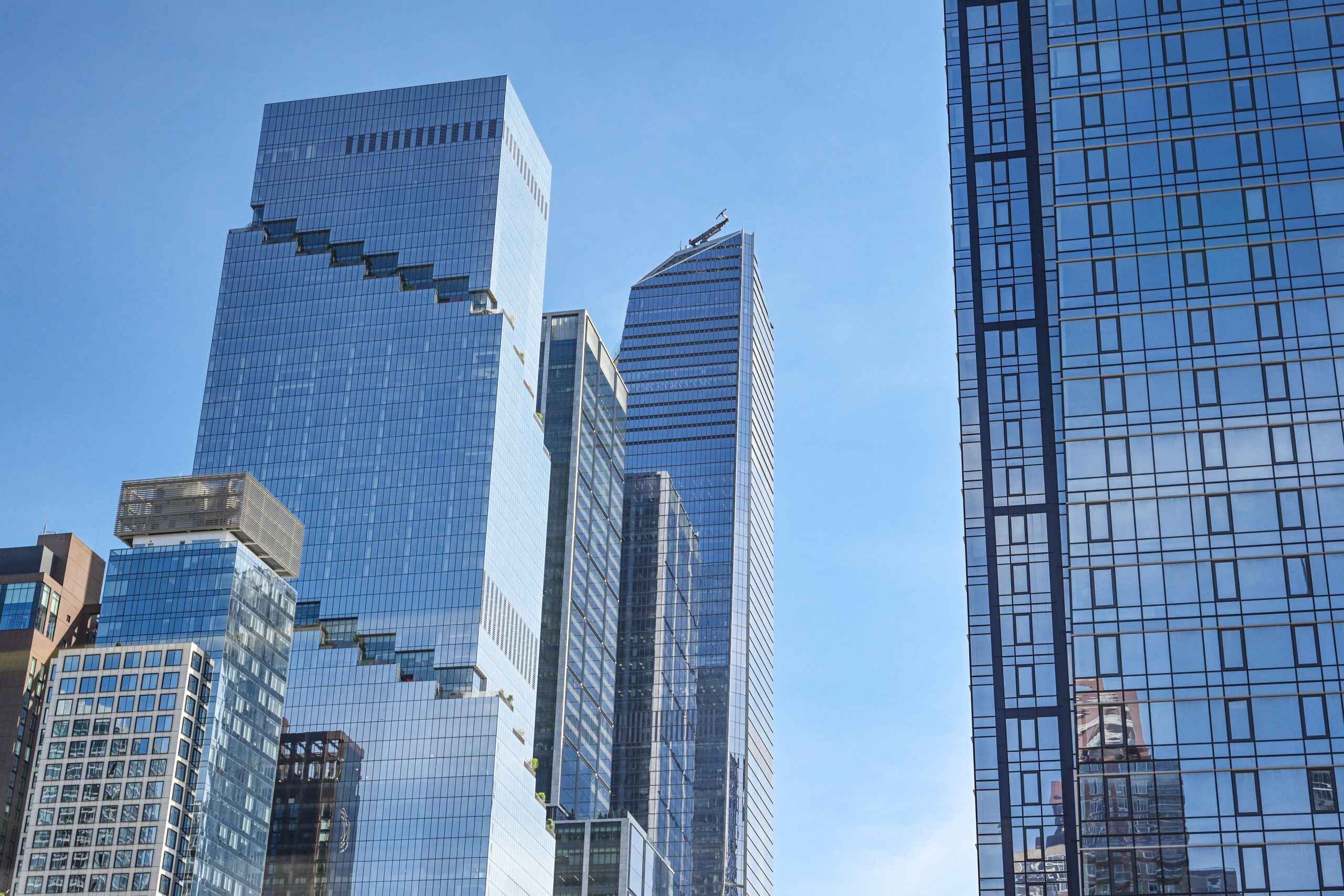
Prime Office Space in Midtown Manhattan – 5,000 sq ft
New York City, New York
Local Directory
Businesses in Binghamton
No businesses listed in Binghamton yet — be the first to get in front of people moving here.
Add your business — free
Compare Binghamton with any city
See how it stacks up on cost, income, and quality of life.
Start Comparing