


City Profile
Tigard, Oregon
USA · Comprehensive city data and intelligence
Tigard, Oregon, is a vibrant city nestled in the heart of the Willamette Valley, offering a compelling blend of suburban tranquility and urban accessibility. Originally a rural farming community settled by pioneers in the 1850s, it was named after Wilson McClendon Tigard, who arrived in 1852 and helped establish the area's first school. The arrival of the Oregon Electric Railway in 1910 spurred significant growth, transforming Tigardville into the incorporated city of Tigard in 1961. Today, Tigard is known for its diverse economy, strong schools, and abundant parks, making it a desirable and affordable community within the Portland metropolitan area.
People are drawn to Tigard for its small-town peace combined with big-city perks. It offers more house for the money, shorter commutes, and a true community feel, all just minutes from Portland's attractions. The city boasts a busy community center, easy public transport, and a focus on quality of life, with a mix of older character homes and new builds.
Oregon, a state in the Pacific Northwest, is characterized by diverse landscapes ranging from the Pacific coastline to mountains and high desert. Its economy has transitioned from a natural resource base of timber, fishing, and agriculture to a mix of manufacturing, services, and high technology, with key sectors including computer and electronic products, transportation equipment, and machinery. The cost of living in Oregon is generally higher than the national average, particularly for housing. Western Oregon experiences a warm-summer Mediterranean climate with wet winters and dry summers, while Eastern Oregon has a colder, semi-arid climate with hotter summers and colder winters. The lifestyle often emphasizes outdoor recreation and environmental consciousness.

Featured Events
Happening in Tigard
Featured and sponsored events in Tigard.
Local Directory
Businesses in Tigard
Featured local businesses in Tigard.
Performance
Quality Scores
Expenses
Cost of Living
The cost of living in Tigard is considered higher than the Oregon average, and significantly higher than the national average. This is primarily driven by housing costs, which are notably above the national average. Despite the higher overall cost of living, utilities and healthcare expenses in Tigard are generally lower than in most U.S. cities. Food prices, particularly groceries, tend to align with the national average, making them more affordable than in many other popular Oregon suburbs.
Most Tigard families earn a higher-than-average yearly income, which helps residents manage the elevated costs. While the cost of living can be a drawback, the city's strong employment opportunities and quality of life often balance these expenses for its residents.
Income
Salary Insights
Tigard boasts a strong economy with a robust job market, attracting more people to commute into the city for work than leave it. The city is home to approximately 3,400 businesses across various industries, employing around 45,000 workers from the region. Wages are on the rise, with the fastest growth observed in jobs paying over $100,000 annually. For industries not directly represented in Tigard, the thriving Portland job market is easily accessible.
Major employers and growth sectors are influenced by Tigard's strategic location. Many residents commute to Portland, Beaverton, or the Washington County technology corridor, which includes companies like Nike in Beaverton and Intel in Hillsboro. Locally, Tigard's commercial corridors along 99W and Hall Boulevard support employment in retail, healthcare, and service sectors. The city's entrepreneurial climate is supported by its diverse economy and accessibility.
The average salary in Tigard is $65,000 per year. You would need approximately $55,000 to live comfortably.
Employment
Top Industries
Weather
Climate
Mobility
Transport
Transportation in Tigard is largely car-dependent, with about 75% of residents driving to work. Despite this, driving is relatively simple, with average commute times of approximately 22.9 to 24 minutes, which is shorter than the national average. Tigard is strategically located with easy access to major highways like I-5 and Oregon Route 217, connecting it to Portland, Beaverton, and other surrounding areas. However, traffic congestion on US 217 and Highway 99W can be heavy during rush hour.
Public transportation options are available through the Tigard Transit Center, which offers both bus and WES Commuter Railway service. The WES Commuter Railway connects Tigard to Wilsonville and Beaverton during weekday rush hours, and bus services extend to downtown Portland and other nearby cities. While downtown Tigard has improving walkability and the Fanno Creek Greenway is excellent for cycling, most of Tigard remains suburban and car-dependent.

At a Glance
Pros & Cons
Advantages
Drawbacks
Head to Head
Compare Tigard
Community Q&A
Questions about Tigard
What people ask about living in and moving to Tigard, Oregon.
What is the overall cost of living like in Tigard?
Tigard’s cost of living index is 121, meaning it is 21% above the national average. This includes higher housing costs, but groceries, utilities, and transportation are roughly in line with the national average. If you earn an average salary of $65,000 a year, you can budget comfortably by allocating about 30–35% of your income to rent and 10–15% to groceries and utilities.
What should I know about moving into Tigard from another state?
When moving to Tigard, you’ll need to set up utilities such as water, electricity, and internet through local providers. You’ll also register your vehicle and driver’s license with the state’s motor vehicle department. The city’s official website offers a moving checklist and links to utility companies and registration offices.
What is the overall vibe of Tigard for families?
Tigard is known for its family‑friendly atmosphere, with community events, parks, and schools that cater to families. The city hosts seasonal festivals, farmers markets, and recreational programs that encourage neighborly interaction. For more information on community activities, visit the city’s events calendar or local community centers.
How does the average rent in Tigard compare to nearby cities?
The average rent in Tigard is about $1,800 per month. This is slightly higher than the Portland metro average but lower than many of the suburbs farther east. When comparing, consider that Tigard offers a mix of single-family homes, townhouses, and apartments. You can find listings on local real‑estate portals or the city’s housing department website for more specific data.
What is the job market like for tech professionals in Tigard?
Tigard is part of the Portland metro, which has a growing tech sector. While the city itself has a mix of small businesses and service jobs, many tech companies are located in nearby cities and are within commuting distance. You can search local job boards or the regional employment office for listings that match your skill set.
How are the public schools in Tigard rated?
Public schools in Tigard are overseen by a district that offers a range of elementary, middle, and high schools. Ratings vary by school, but many have strong academic programs and extracurricular activities. For specific ratings and performance data, check the district’s official website or state education statistics portals.
Is Tigard a safe place to live?
Tigard’s safety score is 50 out of 100, which is average for the region. Crime rates are comparable to neighboring suburbs, with most incidents being property crimes. Local police precincts provide crime maps and statistics, which can give you a more detailed view of safety in specific neighborhoods.
What public transportation options are available in Tigard?
The city is served by a regional transit authority that operates bus routes connecting Tigard to Portland and surrounding suburbs. There are also commuter rail lines that stop at nearby stations. For schedules and fare information, visit the transit authority’s website or use their mobile app.
Where can I find good healthcare services in Tigard?
Tigard hosts several medical clinics and a full‑service hospital that provide primary care, emergency services, and specialty treatments. These facilities are part of a regional health network. You can search the network’s directory online to find doctors by specialty and check insurance coverage.
What are some popular outdoor activities near Tigard?
The area around Tigard offers parks, trails, and green spaces that are great for hiking, biking, and picnicking. Many of these parks are maintained by the city and provide playgrounds, picnic areas, and walking paths. Check the city’s parks and recreation page for maps and event calendars.
Answers marked “AI answer” were written by AI as a starting point and may be out of date. Live in Tigard? Add your own answer.
FAQ
Frequently Asked Questions
Senior Care in Tigard
40 assisted living, nursing & memory care facilities in Tigard.
 Senior Care
Elite Care at Fanno Creek
Tigard, OR
 Senior Care
Elite Care at Fanno Creek
Tigard, OR
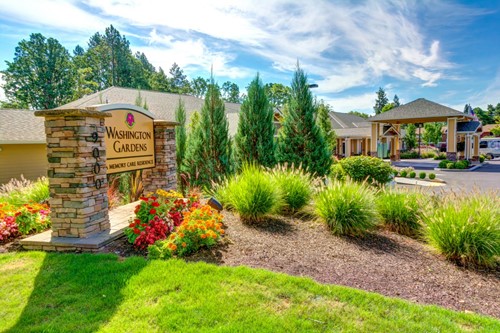 Assisted Living
Washington Gardens Memory Care
Tigard, OR
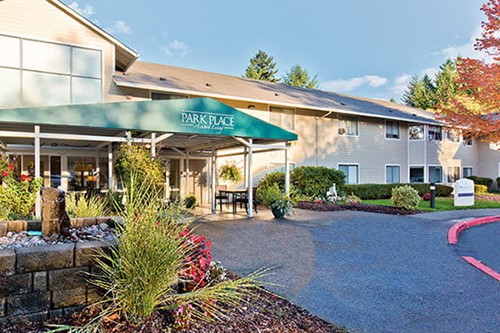 Assisted Living
Avamere at Park Place Tigard
Tigard, OR
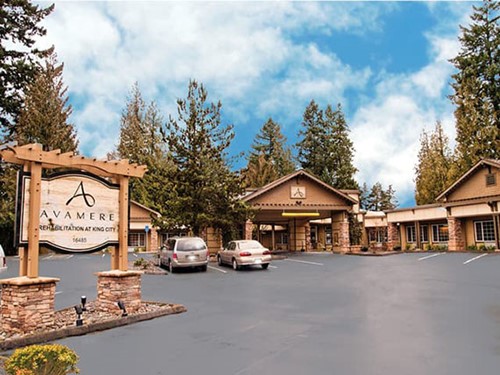 Assisted Living
Avamere Rehabilitation of King City
Tigard, OR
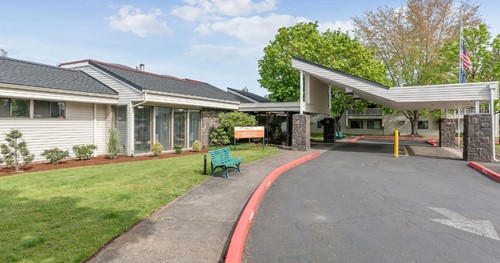 Senior Care
Summerfield Retirement Estates
Tigard, OR
Assisted Living
Washington Gardens Memory Care
Tigard, OR
Assisted Living
Avamere at Park Place Tigard
Tigard, OR
Assisted Living
Avamere Rehabilitation of King City
Tigard, OR
Senior Care
Summerfield Retirement Estates
Tigard, OR
Synergy Foster Home
Tigard, OR
Danielles AFH
Tigard, OR
City Guide
Explore Tigard
Free Quotes
Get quotes from local pros in Tigard
Tell us what you need and we’ll pass it to companies that serve your area. It’s free, and there’s no obligation.

Compare Tigard with any city
See how it stacks up on cost, income, and quality of life.
Start Comparing