


City Profile
Anchorage, Alaska
USA · Comprehensive city data and intelligence
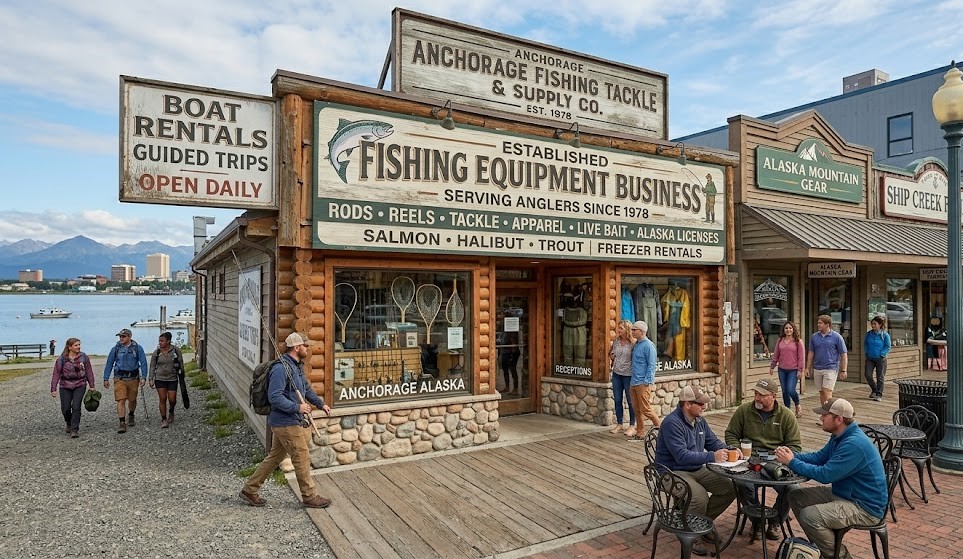
Anchorage, Alaska, stands as a unique blend of urban amenities and untamed wilderness, serving as the largest city in the state. Nestled between the Chugach Mountains and the Cook Inlet, it offers residents immediate access to breathtaking natural landscapes, including glaciers, mountains, and expansive forests. The city's character is defined by its strong connection to the outdoors, with a vibrant community that embraces a lifestyle balancing work and extensive recreational opportunities. People are drawn to Anchorage for its stunning scenic beauty, the absence of state sales tax, and a welcoming atmosphere that maintains a small-town feel despite its size.
Anchorage's strategic location makes it a gateway to Alaska's vast wilderness, offering unparalleled opportunities for hiking, biking, fishing, and wildlife viewing. The city's unique climate, characterized by long summer days with extended daylight and cold, snowy winters, shapes the daily life and activities of its residents. Despite its remote location, Anchorage provides a robust infrastructure, including a diverse job market and a range of cultural and dining experiences, making it an attractive destination for those seeking adventure and a strong sense of community.
Alaska, the largest U.S. state by land area, is characterized by its vast, rugged wilderness and diverse climates, ranging from temperate maritime in the southeast to arctic in the north. Its economy is heavily reliant on natural resources, with major industries including oil and gas, mining, fishing, and a growing tourism sector. Living in Alaska is generally more expensive than the national average, particularly for housing, groceries, and utilities, though there is no state income or sales tax, and residents may receive an annual Permanent Fund Dividend. The lifestyle often emphasizes a strong connection to nature and outdoor activities, with a sense of community and resilience, though residents must adapt to long, dark winters in many areas.

Featured Events
Happening in Anchorage
Featured and sponsored events in Anchorage.
Local Directory
Businesses in Anchorage
Featured local businesses in Anchorage.
Performance
Quality Scores
Expenses
Cost of Living
The cost of living in Anchorage is notably higher than the national average, primarily driven by the logistical challenges of transporting goods to Alaska. Overall, the cost of living index in Anchorage is approximately 25% higher than the national average. Housing, utilities, and groceries all contribute to this elevated cost, as most consumer goods arrive by barge or air freight, with these shipping premiums passed directly to the consumer.
Despite the higher prices for everyday necessities, Anchorage offers a significant financial advantage through Alaska's lack of a state income tax, allowing residents to retain a larger portion of their earnings. This tax benefit can help offset some of the increased expenses, making a comfortable lifestyle attainable for many working professionals. Strategic budgeting, including buying groceries in bulk, is a common practice among residents to manage these elevated costs.
Income
Salary Insights
Anchorage's job market is stable, with a projected job growth rate of 0.8% in 2026. The city's economy is diverse, with key sectors including healthcare, oil and gas, transportation and warehousing, and construction. Healthcare is a leading job-producing sector, expected to grow consistently as the population ages. The transportation and warehousing sector continues its strong growth trajectory, supported by the Ted Stevens Anchorage International Airport, a major cargo hub.
Construction has also seen significant growth, with a 7.0% increase in employment in Anchorage between 2024 and 2025, driven by infrastructure funding and North Slope development. While job opportunities in other industries may be more limited compared to larger metropolitan areas in the Lower 48, the presence of government agencies and a growing tourism sector further contribute to the city's economic stability.
The average salary in Anchorage is $61,814 per year. You would need approximately $125,309 to live comfortably.
Employment
Top Industries
Weather
Climate
Mobility
Transport
Getting around Anchorage largely relies on personal vehicles due to the city's sprawling nature and limited public transit options. The average commute time for workers is 18.1 minutes. While there is a public bus system, People Mover, offering service on major routes, a personal vehicle remains the most practical choice for navigating the broader municipality efficiently.
The city has a Walk Score of 31, indicating that most errands require a car. Traffic congestion can occur during peak hours, exacerbated by the limited road infrastructure and challenging winter weather conditions. Car ownership also entails specific seasonal maintenance, such as winter tires and engine block heaters, adding to annual transportation expenses.

At a Glance
Pros & Cons
Advantages
Drawbacks
Head to Head
Compare Anchorage
Community Q&A
Questions about Anchorage
What people ask about living in and moving to Anchorage, Alaska.
How do I get around Anchorage without a car?
Anchorage offers a city transit authority that operates buses covering most of the city and surrounding suburbs. Routes connect downtown, residential areas, and key destinations like hospitals and shopping centers. Buses run regularly, but service frequency can vary by route and time of day. For schedules and route maps, visit the transit authority’s website or use their mobile app. Additionally, many residents use r...
How much does it cost to rent a one-bedroom apartment in Anchorage?
The average monthly rent for a one‑bedroom apartment in Anchorage is about $1,583. Prices can vary by neighborhood and proximity to downtown, but this figure gives a good baseline. When searching for listings, compare units in similar areas and consider utilities, which may or may not be included. It’s helpful to look at local rental websites and contact property managers for detailed information on lease terms and m...
What types of jobs are most common in Anchorage?
Anchorage’s economy is diverse, with strong sectors in government, defense, energy, transportation, and tourism. Engineering roles are often tied to infrastructure projects, oil and gas operations, and public works. The city’s employment market also includes opportunities in logistics, healthcare, and hospitality. To find current openings, browse local job boards, industry-specific sites, and the city’s employment po...
How are the public schools in Anchorage rated?
Public schools in Anchorage vary in performance, with some schools receiving higher ratings and others lower. Overall, the school district offers a range of programs, including specialized academies and support services. For detailed ratings and performance data, consult the state education department’s school report cards and the district’s website, which provide standardized test scores, graduation rates, and schoo...
Is Anchorage a safe place to live?
Anchorage’s safety score is 40 out of 100, indicating a moderate level of crime relative to other U.S. cities. Most residents report feeling safe in their neighborhoods, but like any large city, there are areas with higher crime rates. Checking local crime statistics through the city’s public safety reports and speaking with residents can give you a clearer picture of specific neighborhoods.
What healthcare facilities are available in Anchorage?
Anchorage hosts a network of hospitals, specialty clinics, and primary care centers that provide comprehensive medical services. Facilities offer inpatient care, outpatient procedures, and specialist consultations. For chronic conditions, there are dedicated clinics and support groups. To find the nearest provider, use the city’s health department website or a local medical directory, which lists services, specialtie...
What are the top outdoor activities in Anchorage?
Anchorage is surrounded by scenic landscapes, offering hiking, biking, and wildlife viewing opportunities. Popular activities include exploring nearby national parks, mountain trails, and coastal walks. Winter sports such as skiing, snowboarding, and dog sledding are also common. Local visitor guides and outdoor recreation websites provide trail maps, difficulty ratings, and seasonal tips to help you plan your advent...
What should I know about moving into Anchorage during winter?
Winter in Anchorage can bring heavy snowfall and icy conditions, which may affect moving logistics. Plan to schedule the move for a clear day if possible, and keep an emergency kit with blankets, food, and warm clothing on hand. Use a reputable moving company that has experience with winter conditions. Check weather forecasts in advance and coordinate with the mover to adjust timing if severe weather is predicted.
What is the average salary in Anchorage compared to the national average?
The average annual salary in Anchorage is $61,814. Nationally, the average salary is slightly higher, reflecting Anchorage’s higher cost of living. When evaluating a job offer, consider both the salary and the cost of living index (125). Adjusting your budget for the higher living expenses will help you gauge whether the compensation meets your financial goals.
Is Anchorage expensive compared to the national average?
Anchorage’s cost of living index is 125, meaning it is 25% higher than the national average (which is 100). This reflects higher prices for groceries, utilities, and housing. While the average salary in Anchorage is $61,814 per year, you’ll need to account for the higher cost of goods and services when budgeting. Adjusting your budget for a 25% increase in living expenses will help you maintain a similar standard of...
Answers marked “AI answer” were written by AI as a starting point and may be out of date. Live in Anchorage? Add your own answer.
FAQ
Frequently Asked Questions
Businesses for Sale in Anchorage
Explore active acquisition & franchise opportunities .
Senior Care in Anchorage
7 assisted living, nursing & memory care facilities in Anchorage.
 Senior Care
Campbell Creek House
Anchorage, AK
 Senior Care
Ancora Home Health and Hospice
Anchorage, AK
 Senior Care
Providence Anchorage Hospice
Anchorage, AK
 Senior Care
Alaska Premium Care
Anchorage, AK
 Senior Care
Baxter Senior Living
Anchorage, AK
 Senior Care
Anchorage Senior Activity Center
Anchorage, AK
 Senior Care
Anchorage Pioneers Home
Anchorage, AK
City Guide
Explore Anchorage
Free Quotes
Get quotes from local pros in Anchorage
Tell us what you need and we’ll pass it to companies that serve your area. It’s free, and there’s no obligation.

Compare Anchorage with any city
See how it stacks up on cost, income, and quality of life.
Start Comparing