


City Profile
Juneau, Alaska
USA · Comprehensive city data and intelligence
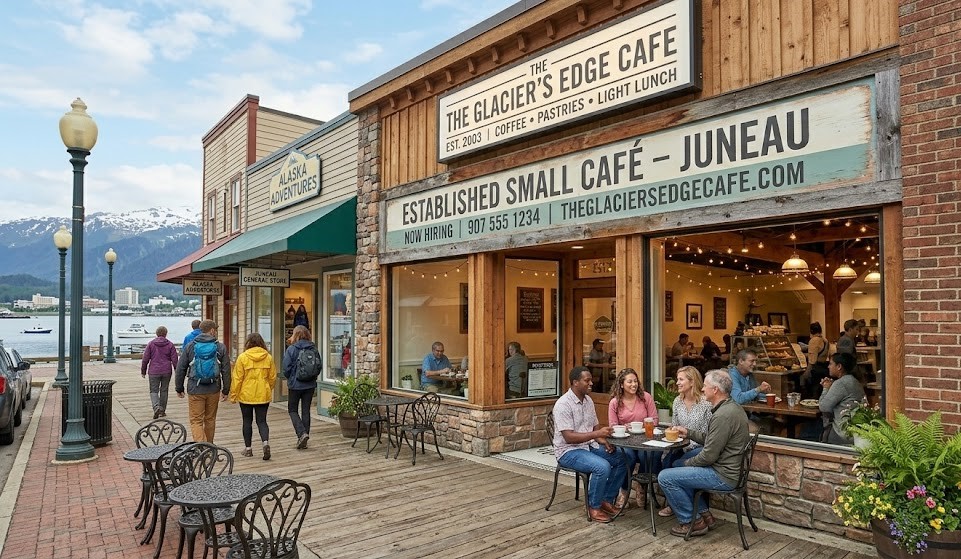
Juneau, Alaska, the state capital, is a unique city nestled between towering mountains and the Gastineau Channel, making it accessible primarily by air or sea. Its character is deeply intertwined with its stunning natural surroundings, offering residents and visitors unparalleled access to outdoor adventures. The city's history is rooted in the Gold Rush era, and today it maintains a distinct blend of government, tourism, and resource-based industries. People are drawn to Juneau for its breathtaking scenery, close-knit community feel, and the opportunity to live amidst a temperate rainforest environment. Despite its remote location, Juneau provides a vibrant lifestyle for those who appreciate wilderness and a strong sense of place.
Alaska, the largest U.S. state by land area, is characterized by its vast, rugged wilderness and diverse climates, ranging from temperate maritime in the southeast to arctic in the north. Its economy is heavily reliant on natural resources, with major industries including oil and gas, mining, fishing, and a growing tourism sector. Living in Alaska is generally more expensive than the national average, particularly for housing, groceries, and utilities, though there is no state income or sales tax, and residents may receive an annual Permanent Fund Dividend. The lifestyle often emphasizes a strong connection to nature and outdoor activities, with a sense of community and resilience, though residents must adapt to long, dark winters in many areas.

Performance
Quality Scores
Expenses
Cost of Living
The cost of living in Juneau is notably higher than the national average, standing approximately 32.6% above it. This elevated cost is primarily driven by housing expenses, which are about 41.8% more expensive than the national average. Utilities also contribute significantly to the higher costs, being around 41.1% above national levels.
Groceries are another major factor, with prices approximately 28.9% higher than the national average, and transportation costs are about 21.9% higher. These figures reflect Juneau's isolated geography, which necessitates shipping most goods and services into the region, thereby increasing consumer prices. While some costs, like public transit fares, can be affordable, the overall expense of daily life requires a higher income to maintain a comfortable standard of living.
Income
Salary Insights
Juneau's economy is characterized by strong sectors in tourism, mining, and government, which serve as primary employers. In 2024, Juneau saw a 1.5% increase in average monthly employment, with the private sector adding 1.3% more jobs. The tourism industry continues to expand, reaching record numbers of cruise ship passengers in 2025 and adding approximately 100 jobs in 2024. The mining sector is also a significant economic contributor, known for offering high-paying jobs and experiencing employment growth over the past four years.
Looking ahead to 2026, while Southeast Alaska generally anticipates a drop in jobs due to federal workforce reductions, specific industries like construction, healthcare, and transportation, trade, and utilities are projected to see growth in Juneau. The city's unique position as a state capital and a major port for cruise ships helps sustain its economic activity. Remote work opportunities exist, but the local job market is heavily influenced by these core industries and the seasonal nature of tourism.
The average salary in Juneau is $65,000 per year. You would need approximately $74,400 to live comfortably.
Employment
Top Industries
Weather
Climate
Mobility
Transport
Getting around Juneau primarily involves driving, though the city's compact nature allows for relatively short commutes. The average commute time for workers in Juneau was 15.1 minutes in 2024. Public transportation options are available, with Juneau having a transit score of 38, indicating some public transportation options. The city's average Walk Score is 21, suggesting that most errands require a car, though certain areas are very walkable.
Juneau's unique geography, with no roads connecting it to other major cities, means that travel outside the immediate area relies on air or ferry services. The Alaska Marine Highway System is a vital link for residents and for transporting vehicles. While public transit exists, the car remains a primary mode of transport for many, contributing to a medium car dependency.
At a Glance
Pros & Cons
Advantages
Drawbacks
Head to Head
Compare Juneau
More in Juneau
Do business & find care in Juneau
Business & Franchises
Ready to buy, franchise, or launch a business in Juneau, Alaska?
Powered by AziBizSenior Care
Find assisted living, nursing homes, and senior care options in Juneau, Alaska.
Powered by FindCarezBusinesses for Sale in Juneau
Explore active acquisition & franchise opportunities in Juneau, Alaska.
Local Directory
Businesses in Juneau
No businesses listed in Juneau yet — be the first to get in front of people moving here.
Add your business — free
Compare Juneau with any city
See how it stacks up on cost, income, and quality of life.
Start Comparing