



City Profile
Flagstaff, Arizona
USA · Comprehensive city data and intelligence
Nestled among the largest contiguous ponderosa pine forest in the United States, Flagstaff, Arizona, serves as the vibrant cultural and economic hub of Northern Arizona. Founded in 1876 and later incorporated, the city sits at an elevation of nearly 7,000 feet, offering a dramatic contrast to the scorching desert lowlands typical of the rest of the state. Characterized by its historic downtown, rich Native American heritage, and strict dark-sky ordinances protecting world-class astronomical research, Flagstaff attracts outdoor enthusiasts, academics, and creative professionals alike. People flock to the area for its crisp mountain air, four distinct seasons, and endless recreational opportunities ranging from winter skiing on the San Francisco Peaks to summer hiking along the Colorado Plateau.
Arizona offers a diverse landscape, from low-elevation deserts to mountainous regions, and is known for its abundant sunshine, averaging around 300 sunny days per year. The state's economy is moderately diverse, with major industries including manufacturing (especially aerospace, defense, transportation, and electronics), healthcare, real estate, tourism, technology, bioscience, agriculture (cotton, citrus), and mining (copper). While the cost of living in Arizona is generally higher than the national average, particularly for housing, the state's mild winters and opportunities for outdoor activities contribute to an appealing lifestyle for many.
How this 54/100 was calculated five components, with every reading behind them
| Component | Readings used | Points | Weight | Contributes |
|---|---|---|---|---|
| Safety | Safety score: 75 / 100 | 75.0 | 30% | 22.5 |
| Affordability | Cost of living index (100 = national baseline): 118.0 | 21.3 | 25% | 5.3 |
| Economy & jobs | Median household income: $71,512 Income needed to live here: $58,000 Unemployment rate: 5.1% | 57.7 | 20% | 11.5 |
| Growth | Population growth rate: 0.86% Job growth rate: 1.9% | 52.3 | 15% | 7.8 |
| Business climate assessment | Business climate assessment: 70 / 100 | 70.0 | 10% | 7.0 |
| Overall score | 54.2 | |||
Provenance.
These figures were produced by the research pass recorded as
Gemini (Tier 3 (deep think), q=80), last refreshed
11 October 2026.
They are researched estimates drawn from public sources, not a licensed data feed.
Each component is scored against fixed published endpoints, so this number is comparable with any other city and does not move as the dataset grows. Scoring framework 2026.10 — full methodology, weights and accepted ranges.

Featured Events
Happening in Flagstaff
Featured and sponsored events in Flagstaff.
Local Directory
Businesses in Flagstaff
Featured local businesses in Flagstaff.

Performance
Quality Scores
Expenses
Cost of Living
The cost of living in Flagstaff is notably higher than the national average, largely driven by steep housing expenses, limited geographic expansion due to surrounding federal and tribal lands, and high demand from both students and out-of-state transplants. Everyday goods, utility costs, and dining out also trend slightly above average due to the logistics of mountain delivery and a booming tourism sector. While salaries in the region have grown, many residents experience a high rent-to-income burden, making budgeting essential for service-sector workers and families trying to anchor themselves in the local real estate market.
Income
Salary Insights
Flagstaff's economy is anchored by higher education, healthcare, tourism, government agencies, and scientific research. Northern Arizona University (NAU) and the Flagstaff Unified School District are among the largest public employers, providing stability and a continuous stream of educated talent. Healthcare providers like Flagstaff Medical Center drive a robust medical sector, while tourism thrives year-round thanks to the city's proximity to the Grand Canyon and local seasonal attractions. Though remote work has expanded its footprint among tech and professional services transplants, traditional local employment heavily leans on education, hospitality, and public sector positions.
The average salary in Flagstaff is $61,250 per year. You would need approximately $58,000 to live comfortably.
Employment
Top Industries
Weather
Climate
Mobility
Transport
Getting around Flagstaff is primarily centered on automobile transit, though the city offers a Mountain Line bus system that serves key commercial corridors and the NAU campus. Walkability and bikeability are exceptionally high in the downtown core and near the university, though outer residential neighborhoods require a car for daily errands. Commute times are relatively short compared to major metropolitan areas, averaging around 16.5 minutes, though winter snowstorms can temporarily disrupt traffic flow and require cautious mountain driving and snow-tire readiness.

At a Glance
Pros & Cons
Advantages
Drawbacks
Head to Head
Compare Flagstaff
Community Q&A
Questions about Flagstaff
What people ask about living in and moving to Flagstaff, Arizona.
FAQ
Frequently Asked Questions
Senior Care in Flagstaff
19 assisted living, nursing & memory care facilities in Flagstaff.
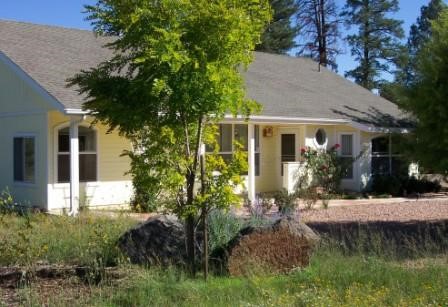 Assisted Living
Pine Meadows Ranch Assisted Living Home
Flagstaff, AZ
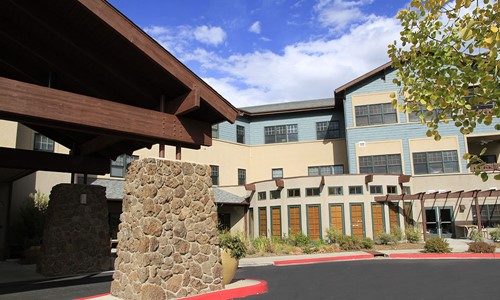 Senior Care
The Peaks, A Senior Living Community
Flagstaff, AZ
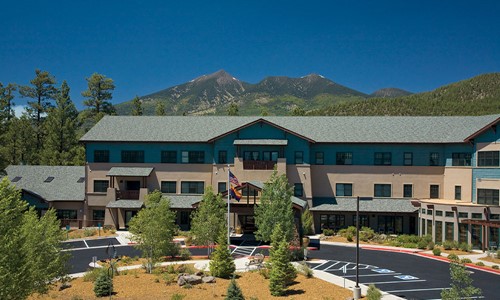 Assisted Living
The Peaks Health & Rehabilitation
Flagstaff, AZ
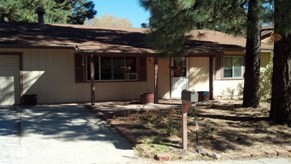 Assisted Living
Eldercare Springs Assisted Living Home
Flagstaff, AZ
 Assisted Living
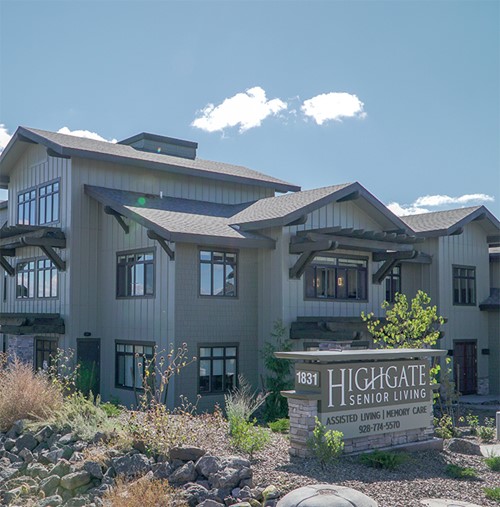
Highgate Flagstaff
Flagstaff, AZ
 Assisted Living
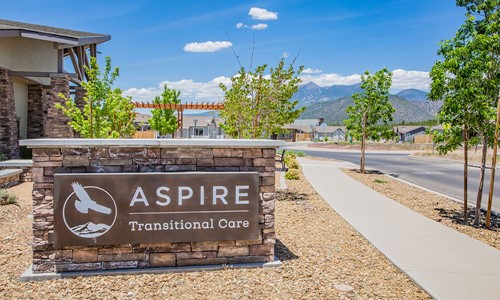
Aspire Transitional Care
Flagstaff, AZ
 Assisted Living
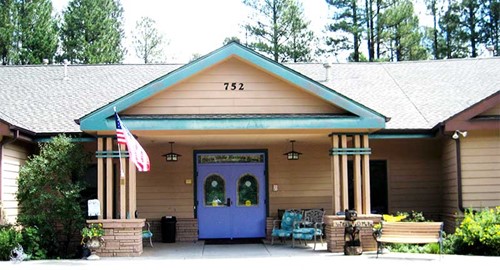
The Olivia White Hospice Home
Flagstaff, AZ
 Assisted Living
The Pines Assisted Living Home
Flagstaff, AZ
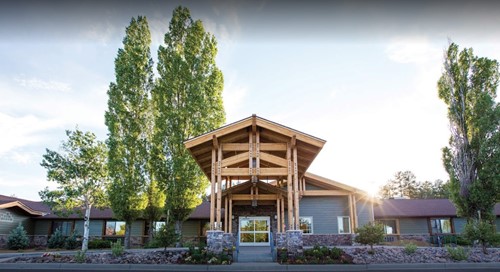 Assisted Living
Haven Of Flagstaff
Flagstaff, AZ
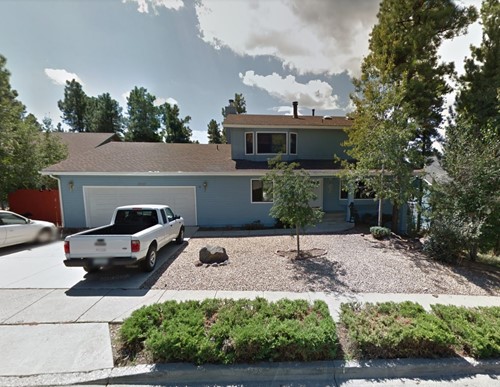 Assisted Living
Comfort Care Rose Arbor House
Flagstaff, AZ
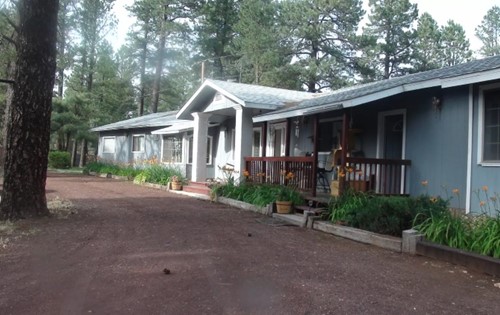 Assisted Living
A Country Retreat
Flagstaff, AZ
Tj's Assisted Living Facility
Flagstaff, AZ
City Guide
Explore Flagstaff
Free Quotes
Get quotes from local pros in Flagstaff
Tell us what you need and we’ll pass it to companies that serve your area. It’s free, and there’s no obligation.

Compare Flagstaff with any city
See how it stacks up on cost, income, and quality of life.
Start Comparing