



City Profile
Waterbury, Connecticut
USA · Comprehensive city data and intelligence
Waterbury, known historically as the 'Brass City,' is celebrated for its rich industrial heritage and deep-rooted manufacturing legacy along the Naugatuck River. Located in New Haven County, the city blends historic New England architecture with urban revitalization efforts and accessible community spaces. Today, Waterbury attracts residents seeking relatively affordable living options within convenient commuting distance of major Connecticut employment hubs.
Connecticut, located in southern New England, offers a blend of historic charm, natural beauty, and proximity to major cities like New York and Boston. The state's economy is robust, with major industries including finance and insurance, manufacturing (especially aerospace and defense), and healthcare. Living in Connecticut generally entails a higher cost of living than the national average, particularly for housing and utilities. The climate features four distinct seasons with cold, snowy winters and warm, humid summers, and residents enjoy a lifestyle that balances suburban tranquility with access to cultural attractions, outdoor activities, and strong public education.
How this 52/100 was calculated five components, with every reading behind them
| Component | Readings used | Points | Weight | Contributes |
|---|---|---|---|---|
| Safety | Safety score: 58 / 100 | 58.0 | 30% | 17.4 |
| Affordability | Cost of living index (100 = national baseline): 94.0 | 51.3 | 25% | 12.8 |
| Economy & jobs | Median household income: $53,500 Income needed to live here: $52,000 Unemployment rate: 4.8% | 46.8 | 20% | 9.4 |
| Growth | Population growth rate: 0.4% Job growth rate: 1.5% | 42.5 | 15% | 6.4 |
| Business climate assessment | Business climate assessment: 64 / 100 | 64.0 | 10% | 6.4 |
| Overall score | 52.3 | |||
Provenance.
These figures were produced by the research pass recorded as
Tier 2 (reasoned) (q=54, partial — below threshold), last refreshed
15 October 2026.
They are researched estimates drawn from public sources, not a licensed data feed.
Each component is scored against fixed published endpoints, so this number is comparable with any other city and does not move as the dataset grows. Scoring framework 2026.10 — full methodology, weights and accepted ranges.

Featured Events
Happening in Waterbury
Featured and sponsored events in Waterbury.
Local Directory
Businesses in Waterbury
Featured local businesses in Waterbury.

Performance
Quality Scores
Expenses
Cost of Living
The cost of living in Waterbury is generally lower than both the Connecticut state average and the national average, largely driven by more accessible housing options. While utility and transportation expenses align closely with regional norms, residents benefit from lower overall consumer prices compared to coastal parts of the state. This economic positioning makes the city an attractive destination for budget-conscious families and first-time homebuyers.
Income
Salary Insights
Waterbury’s economy relies heavily on healthcare, education, retail trade, and light manufacturing, with major institutions like Waterbury Hospital and Saint Mary's Hospital serving as top employers. While traditional industrial sectors have evolved over decades, the city continues to foster local service industries and professional services. Proximity to Interstate 84 also links the local workforce to broader regional job markets across Hartford and New Haven counties.
The average salary in Waterbury is $58,500 per year. You would need approximately $52,000 to live comfortably.
Employment
Top Industries
Weather
Climate
Mobility
Transport
Navigating Waterbury primarily relies on personal vehicles, supported by key arterial highways including Interstate 84 and Route 8. Public transportation is provided by CTtransit, offering bus routes that connect downtown to surrounding neighborhoods and commercial centers. While certain central districts offer walkable amenities, most residents find a car essential for daily commuting and regional travel.

At a Glance
Pros & Cons
Advantages
Drawbacks
Head to Head
Compare Waterbury
Community Q&A
Questions about Waterbury
What people ask about living in and moving to Waterbury, Connecticut.
FAQ
Frequently Asked Questions
Businesses for Sale in Waterbury
Explore active acquisition & franchise opportunities .
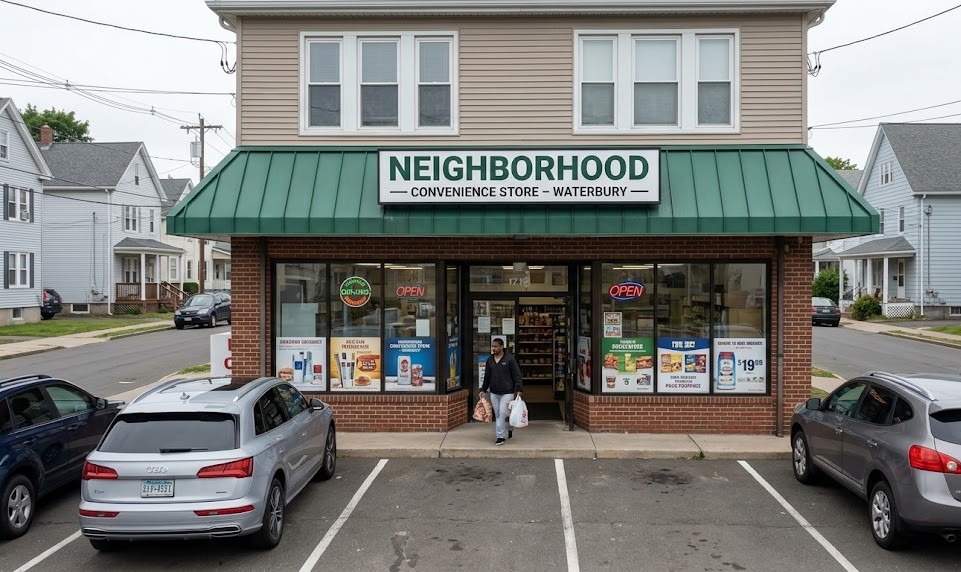
Senior Care in Waterbury
27 assisted living, nursing & memory care facilities in Waterbury.
 Senior Care
Day Break Senior Services
Waterbury, CT
 Senior Care
Cheshire House
Waterbury, CT
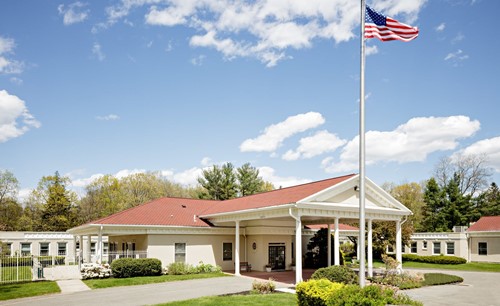 Assisted Living
Autumn Lake Healthcare At Bucks Hill
Waterbury, CT
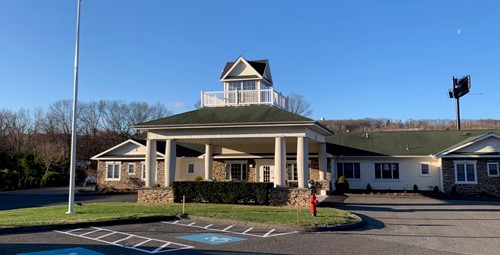 Assisted Living
Cheshire House Health Care Fac
Waterbury, CT
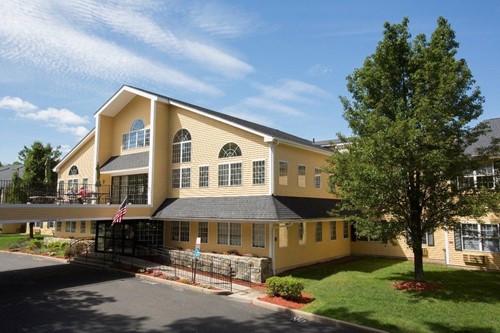 Senior Care
The Village at East Farms
Waterbury, CT
NCE Homecare
Waterbury, CT
There For You Home Care Services
Waterbury, CT
J & J Companions and Homemakers LLC.
Waterbury, CT
Waterbury Gardens Nursing And Rehab
Waterbury, CT
Southmayd Home for Women
Waterbury, CT
Emerest Home Care of Connecticut
Waterbury, CT
Grove Manor Nursing Home, Inc
Waterbury, CT
City Guide
Explore Waterbury
Free Quotes
Get quotes from local pros in Waterbury
Tell us what you need and we’ll pass it to companies that serve your area. It’s free, and there’s no obligation.

Compare Waterbury with any city
See how it stacks up on cost, income, and quality of life.
Start Comparing