



City Profile
Leawood, Kansas
USA · Comprehensive city data and intelligence
Leawood, Kansas is a premier upscale suburban community located in Johnson County, part of the Kansas City metropolitan area. Established initially as an agricultural area and developed extensively by Oscar G. Weber in the late 1940s, the city has evolved into one of the most affluent and desirable places to live in the Midwest. Known for its meticulously planned neighborhoods, lush green spaces, and stringent architectural controls, Leawood offers residents a peaceful, high-income suburban lifestyle paired with immediate access to big-city amenities. People frequently move to Leawood for its top-tier public school system, exceptionally low crime rates, and beautiful residential properties that range from stately traditional homes to modern luxury developments.
Kansas, known as the "Sunflower State," offers a blend of rural charm and urban development, characterized by friendly communities and a relaxed pace of life. Its economy is diverse, with major industries including agriculture (a leading producer of wheat, corn, and sorghum), aerospace, advanced manufacturing, and professional services. Living in Kansas is generally affordable, with a cost of living approximately 10-15% lower than the national average, particularly for housing. The state experiences four distinct seasons with warm to hot summers, mild to cold winters, and moderate humidity, though it is prone to severe weather like thunderstorms and tornadoes, especially in spring and early summer.
How this 65/100 was calculated five components, with every reading behind them
| Component | Readings used | Points | Weight | Contributes |
|---|---|---|---|---|
| Safety | Safety score: 92 / 100 | 92.0 | 30% | 27.6 |
| Affordability | Cost of living index (100 = national baseline): 125.0 | 12.5 | 25% | 3.1 |
| Economy & jobs | Median household income: $165,000 Income needed to live here: $75,000 Unemployment rate: 2.8% | 95.0 | 20% | 19.0 |
| Growth | Population growth rate: 0.5% Job growth rate: 1.8% | 46.8 | 15% | 7.0 |
| Business climate assessment | Business climate assessment: 78 / 100 | 78.0 | 10% | 7.8 |
| Overall score | 64.5 | |||
Provenance.
These figures were produced by the research pass recorded as
Tier 1 (fast) (q=52, partial — below threshold), last refreshed
16 October 2026.
They are researched estimates drawn from public sources, not a licensed data feed.
Each component is scored against fixed published endpoints, so this number is comparable with any other city and does not move as the dataset grows. Scoring framework 2026.10 — full methodology, weights and accepted ranges.

Featured Events
Happening in Leawood
Featured and sponsored events in Leawood.
Local Directory
Businesses in Leawood
Featured local businesses in Leawood.

Performance
Quality Scores
Expenses
Cost of Living
The cost of living in Leawood is significantly higher than the national average and stands well above the rest of the state of Kansas. This elevation is primarily driven by high housing costs, premier real estate valuations, and the upscale nature of local retail centers like Town Center Plaza and Park Place. Property taxes and consumer goods also reflect the high median income and affluent demographic profile of the municipality. While everyday goods and utilities align closely with regional suburban norms, housing and specialized services push the overall cost index well past standard benchmarks.
Income
Salary Insights
Leawood benefits from a robust local economy anchored by professional, scientific, and technical services, finance, healthcare, and corporate headquarters. While many residents commute into nearby Kansas City for major employment hubs, Leawood itself hosts numerous corporate offices, high-end retail districts, and boutique financial firms. The city's entrepreneurial climate is strong, supported by a highly educated workforce and favorable local business initiatives. Remote work is also prevalent among the city's white-collar professionals, taking advantage of the area's reliable digital infrastructure and quiet upscale neighborhoods.
The average salary in Leawood is $95,000 per year. You would need approximately $75,000 to live comfortably.
Employment
Top Industries
Weather
Climate
Mobility
Transport
Leawood is primarily a car-dependent suburban community where the vast majority of residents rely on personal vehicles for daily commutes and errands. Major thoroughfares like Mission Road, Roe Avenue, and Interstate 435 provide seamless connectivity to the rest of the Kansas City metropolitan area. Public transit options are sparse, though regional bus services operate commuter routes nearby. Walkability varies, with high pedestrian friendliness concentrated primarily around commercial mixed-use developments rather than traditional subdivisions.

At a Glance
Pros & Cons
Advantages
Drawbacks
Head to Head
Compare Leawood
Community Q&A
Questions about Leawood
What people ask about living in and moving to Leawood, Kansas.
FAQ
Frequently Asked Questions
Senior Care in Leawood
10 assisted living, nursing & memory care facilities in Leawood.
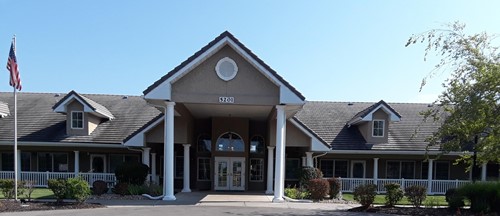 Assisted Living
Colonial Oaks at Leawood
Leawood, KS
 Assisted Living
The Healthcare Resort of Leawood - Assisted Living
Leawood, KS
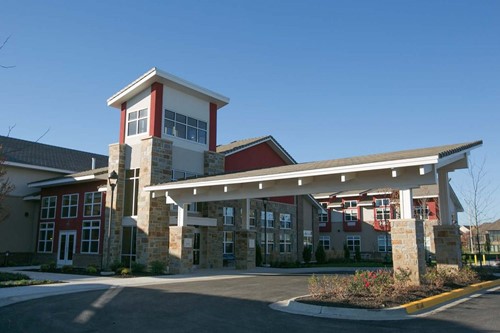 Assisted Living
The Healthcare Resort Of Leawood - Iron Horse Hlth
Leawood, KS
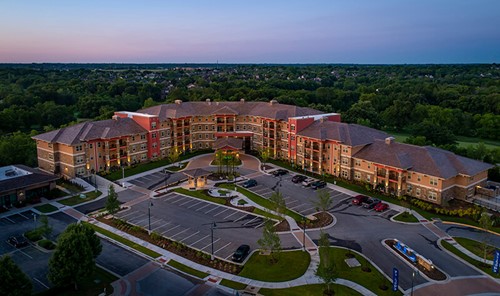 Senior Care
The Fairways of Ironhorse
Leawood, KS
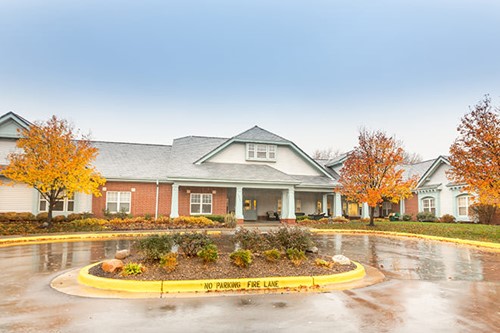 Assisted Living
Brookdale Leawood State Line
Leawood, KS
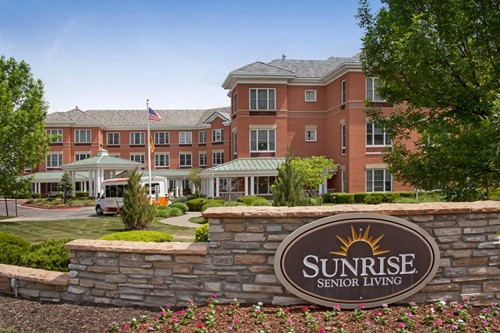 Assisted Living
Sunrise of Leawood
Leawood, KS
 Senior Care
Town Village of Leawood
Leawood, KS
Continua Home Health
Leawood, KS
Specialized Hospice, LLC
Leawood, KS
Specialized Home Care
Leawood, KS
City Guide
Explore Leawood
Free Quotes
Get quotes from local pros in Leawood
Tell us what you need and we’ll pass it to companies that serve your area. It’s free, and there’s no obligation.

Compare Leawood with any city
See how it stacks up on cost, income, and quality of life.
Start Comparing