


City Profile
Boston, Massachusetts
USA · Comprehensive city data and intelligence
Boston, Massachusetts, is a city steeped in American history, serving as a cradle of the Revolution and a beacon of intellectual and cultural life. Founded in 1630, it boasts a rich tapestry of colonial architecture, cobblestone streets, and iconic landmarks like Faneuil Hall and the Freedom Trail. Beyond its historical significance, Boston is a global center for higher education, healthcare, and innovation, attracting students, researchers, and professionals from around the world. Its vibrant neighborhoods, from the historic Beacon Hill to the bustling Seaport District, offer diverse living experiences, contributing to its enduring appeal as a place to live, work, and thrive.
Massachusetts is a New England state known for its rich history, world-class educational institutions, and diverse communities. Its economy is robust, driven by major industries such as technology, healthcare, biotechnology, finance, and education. Living in Massachusetts generally comes with a high cost of living, particularly for housing, which is significantly above the national average. The state experiences a humid continental climate with distinct four seasons, including cold, snowy winters and warm, rainy summers. The lifestyle is often characterized by a fast-paced, well-educated populace that values hard work, civic responsibility, and a vibrant cultural scene.

Featured Events
Happening in Boston
Featured and sponsored events in Boston.
Local Directory
Businesses in Boston
Featured local businesses in Boston.
Performance
Quality Scores
Expenses
Cost of Living
Boston is known for its high cost of living, significantly exceeding the national average. This is largely driven by the exceptionally expensive housing market, both for renters and homeowners. The city's status as a major hub for education, healthcare, and technology, coupled with its desirability, fuels demand that outpaces supply. Other essential expenses, such as utilities and transportation, also contribute to the overall financial burden for residents, making careful budgeting essential.
Income
Salary Insights
Boston's economy is robust and diverse, anchored by leading sectors such as healthcare, biotechnology, finance, and education. The city is a global leader in life sciences and boasts a thriving tech startup scene, fueled by world-class universities like Harvard and MIT. Major employers include renowned hospitals, research institutions, and innovative companies, creating a dynamic job market. While the city has seen a return to pre-pandemic employment levels, shifts in work patterns, such as increased remote work, continue to shape its economic landscape.
The average salary in Boston is $70,513 per year. You would need approximately $75,000 to live comfortably.
Employment
Top Industries
Weather
Climate
Mobility
Transport
Getting around Boston is primarily facilitated by the Massachusetts Bay Transportation Authority (MBTA), commonly known as the 'T,' which offers subway, bus, and commuter rail services. While the MBTA provides extensive coverage, it faces ongoing challenges with reliability and funding. Boston is also a highly walkable city, particularly in its denser neighborhoods, and offers bike-sharing programs. Driving in Boston can be challenging due to heavy traffic, narrow streets, and limited parking, making public transit and walking often more convenient options.

At a Glance
Pros & Cons
Advantages
Drawbacks
Head to Head
Compare Boston
Community Q&A
Questions about Boston
What people ask about living in and moving to Boston, Massachusetts.
Is Boston a safe city for newcomers?
Boston’s safety score is 65 out of 100, indicating moderate safety relative to other U.S. cities. Crime levels can vary widely by neighborhood, with some areas experiencing lower rates of violent crime and others facing higher property‑theft incidents. The city’s police department releases monthly crime statistics and neighborhood safety maps on its official site, which can help you compare areas. When choosing a pla...
What should I know about moving to Boston from another state?
When relocating to Boston, start by researching the city’s parking regulations and residential moving permits, which are often required for street moves. Because housing costs are high, secure your lease or purchase agreement before the move and confirm the move‑in date. Arrange for utility transfers—electric, gas, water, and internet—through the providers listed on the city’s utility portal. If you’re bringing a veh...
How do public schools in Boston rank academically?
Boston’s public schools are administered by the city’s school district, which publishes performance data, test scores, and graduation rates on its website. Overall, the district includes a mix of high‑performing magnet and charter schools alongside schools that face challenges. Parents often look at school report cards, enrollment caps, and program offerings such as STEM or arts emphasis. Visiting schools, attending...
What free or low‑cost activities are there for newcomers in Boston?
Boston offers many cultural and recreational options that cost little or nothing. Public parks, historic walking trails, and waterfront promenades provide outdoor enjoyment. The city’s museums often have free admission days or discounted evenings; check their calendars for specific dates. Libraries host community events, lectures, and free Wi‑Fi. Seasonal festivals, farmers’ markets, and street performances add to th...
What is the typical rent for a one‑bedroom apartment in Boston?
The average rent in Boston is about $2,400 per month, which reflects the city’s high demand and limited inventory. One‑bedroom units in central neighborhoods often sit at or above this average, while you may find lower rates in outlying districts or older buildings. When budgeting, also consider utilities, internet, and possible parking fees, which can add several hundred dollars. To get current listings, check onlin...
How does Boston’s cost of living compare to the national average?
Boston’s cost‑of‑living index is 150, meaning expenses are about 50 % higher than the national average, which is indexed at 100. With an average salary of $70,513 per year, your take‑home pay will need to cover higher housing, transportation, and everyday costs. After accounting for taxes, rent, utilities, food, and discretionary spending, many residents find that budgeting carefully is essential. You may want to com...
What industries hire most people in Boston?
Boston’s economy is anchored by education, healthcare, technology, finance, and professional services. Large research universities and teaching hospitals drive demand for academic and medical positions, while a growing tech sector offers roles in software development, biotech, and startups. Financial services and consulting firms also have a strong presence. For entry‑level opportunities, explore job boards that filt...
What public transportation options are available in Boston?
Boston is served by a comprehensive public transit authority that operates subway lines, bus routes, and commuter rail services. The subway network covers the city core and connects to surrounding suburbs, while buses fill in gaps and provide night service. Commuter rail extends to farther towns and offers a convenient option for longer trips. All modes accept a unified fare card that can be loaded with cash value or...
Where can I find affordable primary care in Boston?
Boston hosts a range of healthcare providers, from large academic medical centers to community clinics. For affordable primary care, look for federally qualified health centers and community health clinics that offer sliding‑scale fees based on income. The city’s health department maintains a directory of such facilities, including locations that accept a variety of insurance plans and offer walk‑in appointments. You...
How does Boston’s climate affect everyday life?
Boston experiences a humid continental climate with cold, snowy winters and warm, humid summers. Winter temperatures often dip below freezing, and snowstorms can disrupt transit and require snow‑removal measures; residents keep winter tires, shovels, and emergency kits. Summer brings temperatures in the 70s‑80s °F, with occasional heat advisories, so air‑conditioned housing and hydration are important. Spring and fal...
Answers marked “AI answer” were written by AI as a starting point and may be out of date. Live in Boston? Add your own answer.
FAQ
Frequently Asked Questions
Businesses for Sale in Boston
Explore active acquisition & franchise opportunities .


Senior Care in Boston
30 assisted living, nursing & memory care facilities in Boston.
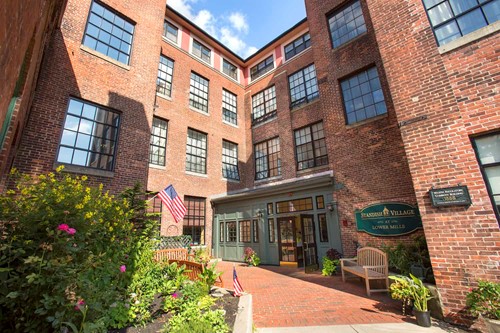 Assisted Living
Standish Village
Boston, MA
 Assisted Living
The Boston Home
Boston, MA
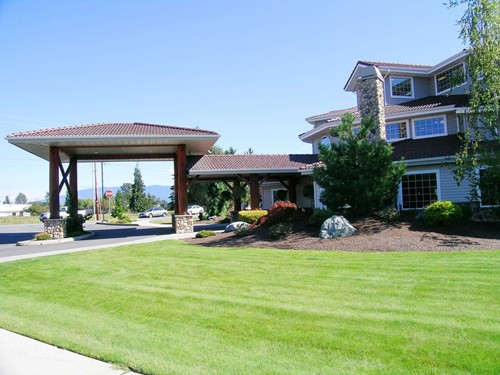 Assisted Living
German Center For Extended Care
Boston, MA
 Assisted Living
Laurel Ridge Rehab And Skilled Care Center
Boston, MA
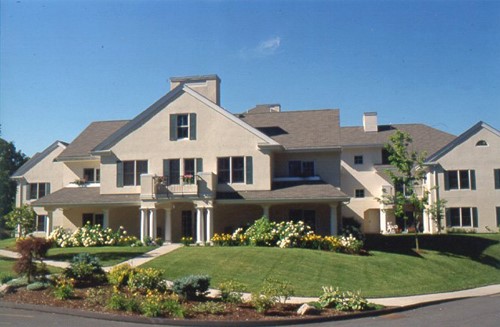 Senior Care
Springhouse Senior Living Community
Boston, MA
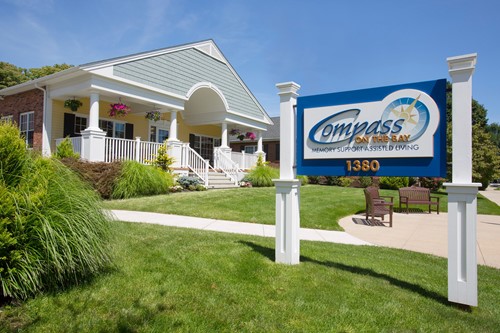 Assisted Living
Compass on the Bay
Boston, MA
 Assisted Living
Marian Manor
Boston, MA
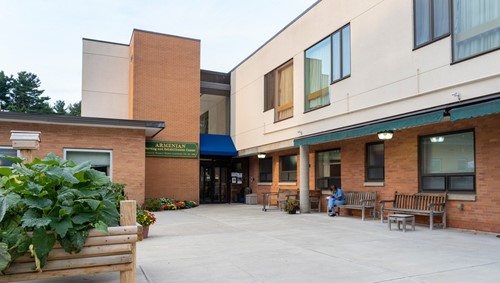 Assisted Living
Armenian Nursing & Rehabilitation Center
Boston, MA
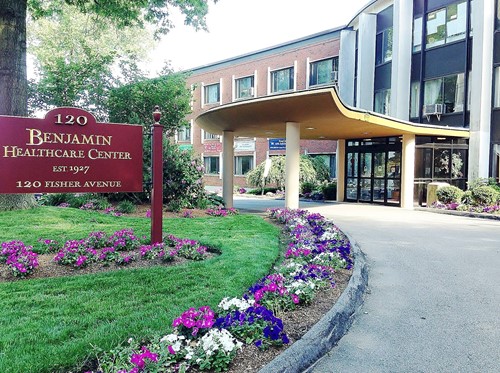 Assisted Living
Benjamin Healthcare Center
Boston, MA
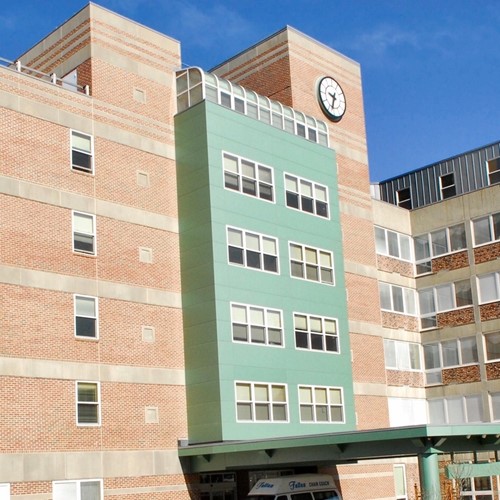 Assisted Living
Sherrill House
Boston, MA
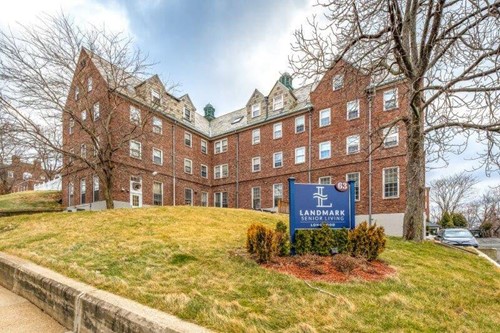 Senior Care
Landmark at Longwood
Boston, MA
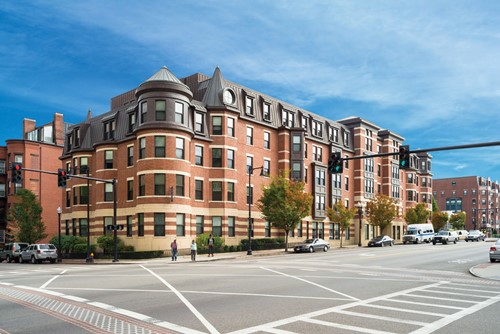 Assisted Living
Susan Bailis Assisted Living Community
Boston, MA
City Guide
Explore Boston
Free Quotes
Get quotes from local pros in Boston
Tell us what you need and we’ll pass it to companies that serve your area. It’s free, and there’s no obligation.

Compare Boston with any city
See how it stacks up on cost, income, and quality of life.
Start Comparing