



City Profile
Edison, New Jersey
USA · Comprehensive city data and intelligence
Edison is a vibrant and historically significant township located in Middlesex County, New Jersey, famously known as the home of Thomas Edison's Menlo Park laboratory where the incandescent light bulb and phonograph were perfected. Characterized by its diverse neighborhoods, excellent public education, and sprawling suburban-urban mix, it serves as a major commercial and residential hub in central New Jersey. People frequently move to Edison for its strategic location along major transportation corridors, high-performing schools, and a welcoming, multicultural community that celebrates various traditions.
The township spans roughly 30 square miles and is divided into several distinct neighborhoods, including Menlo Park, Clara Barton, and Edison Park. Its rich historical footprint blends seamlessly with modern commercial developments, featuring bustling shopping centers, corporate headquarters, and extensive park systems. The community attracts families, young professionals, and retirees alike who seek a balanced lifestyle with easy access to both natural green spaces and metropolitan amenities.
New Jersey, known as the "Garden State," offers a diverse character ranging from dense urban areas to charming suburban towns and rural landscapes. Its robust economy, with a GDP of over $815 billion, is driven by major industries such as pharmaceuticals and life sciences, financial services, technology, advanced manufacturing, and transportation and logistics. Living in New Jersey is generally more expensive than the national average, with housing costs being a primary factor. The state experiences a humid subtropical climate across most of its area, characterized by warm, humid summers and moderately cold, occasionally snowy winters, with distinct seasonal changes. Residents enjoy a lifestyle that balances proximity to major metropolitan areas like New York City and Philadelphia with access to beaches, mountains, and various recreational opportunities.
How this 58/100 was calculated five components, with every reading behind them
| Component | Readings used | Points | Weight | Contributes |
|---|---|---|---|---|
| Safety | Safety score: 76 / 100 | 76.0 | 30% | 22.8 |
| Affordability | Cost of living index (100 = national baseline): 124.0 | 13.8 | 25% | 3.4 |
| Economy & jobs | Median household income: $105,000 Income needed to live here: $65,000 Unemployment rate: 4.2% | 86.3 | 20% | 17.3 |
| Growth | Population growth rate: 0.5% Job growth rate: 1.8% | 46.8 | 15% | 7.0 |
| Business climate assessment | Business climate assessment: 75 / 100 | 75.0 | 10% | 7.5 |
| Overall score | 58.0 | |||
Provenance.
These figures were produced by the research pass recorded as
Tier 1 (fast) (q=52, partial — below threshold), last refreshed
16 October 2026.
They are researched estimates drawn from public sources, not a licensed data feed.
Each component is scored against fixed published endpoints, so this number is comparable with any other city and does not move as the dataset grows. Scoring framework 2026.10 — full methodology, weights and accepted ranges.

Featured Events
Happening in Edison
Featured and sponsored events in Edison.
Local Directory
Businesses in Edison
Featured local businesses in Edison.

Performance
Quality Scores
Expenses
Cost of Living
The cost of living in Edison is notably higher than the national average, driven primarily by strong housing demand, property taxes, and its proximity to major metropolitan centers like New York City and Philadelphia. While everyday expenses such as groceries and healthcare align closely with regional standards, housing costs and local taxation significantly impact overall household budgets. Residents often find that the higher expenses are offset by strong earning potential in the region's robust job market and the high quality of public services available.
Factors pushing costs upward include limited new single-family housing inventory and high demand from commuters working in Manhattan or nearby corporate parks. Conversely, utility costs remain relatively stable, and competitive options for local retail shopping help mitigate some everyday expenses. Overall, living in Edison requires careful financial planning, particularly for prospective homebuyers navigating the competitive Middlesex County real estate market.
Income
Salary Insights
Edison boasts a dynamic and diversified economy anchored by healthcare, logistics, professional services, and technology sectors. Major employers in the area include corporate offices, logistics hubs taking advantage of the township's prime warehousing locations, and healthcare institutions providing specialized medical services. The local job market benefits from a highly educated workforce and continuous investments in commercial real estate along major routes like Route 1 and Route 27.
The remote work scene is robust among residents commuting virtually to New York City firms or working hybrid schedules for regional corporate employers. Entrepreneurial growth is supported by local business associations and proximity to major research universities in New Jersey. Consequently, the local economy demonstrates strong resilience and steady employment opportunities across various professional levels.
The average salary in Edison is $82,000 per year. You would need approximately $65,000 to live comfortably.
Employment
Top Industries
Weather
Climate
Mobility
Transport
Edison is exceptionally well-connected, serving as a major transportation nexus in central New Jersey. The township is served by two Northeast Corridor NJ Transit train stations (Edison and Metropark), providing direct, efficient rail service to New York Penn Station, Newark, and Trenton. Major highways, including Interstate 287, the New Jersey Turnpike, Route 1, and Route 27, run directly through or adjacent to the municipality, facilitating convenient travel by car.
While public transit is robust for rail commuters, daily life within Edison's sprawling suburban layout leans toward car dependency for local errands and shopping. Walkability varies significantly by neighborhood, with areas near train stations and older commercial corridors offering pedestrian-friendly sidewalks, while newer residential subdivisions require vehicular travel for daily tasks. Traffic congestion during peak commuting hours along Route 1 and I-287 is a common local challenge.

At a Glance
Pros & Cons
Advantages
Drawbacks
Head to Head
Compare Edison
Community Q&A
Questions about Edison
What people ask about living in and moving to Edison, New Jersey.
FAQ
Frequently Asked Questions
Senior Care in Edison
18 assisted living, nursing & memory care facilities in Edison.
 Senior Care
Respiratory Specialities Inc
Edison, NJ
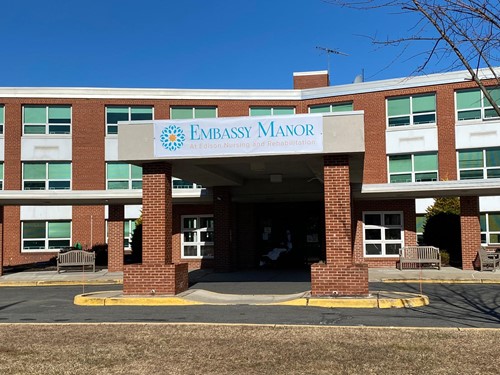 Assisted Living
Embassy Manor At Edison Nursing And Rehabilitation
Edison, NJ
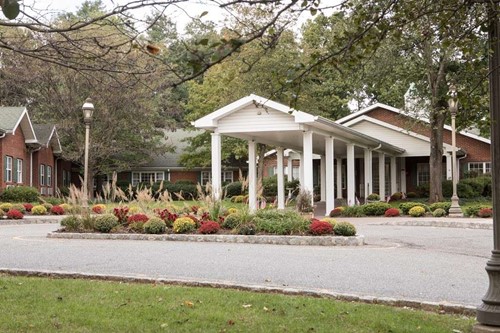 Assisted Living
Care One At The Highlands
Edison, NJ
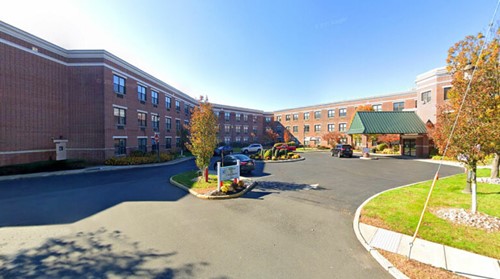 Senior Care
Heritage at Clara Barton
Edison, NJ
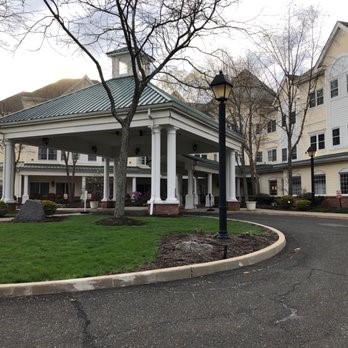 Assisted Living
Whispering Knoll Assisted Living
Edison, NJ
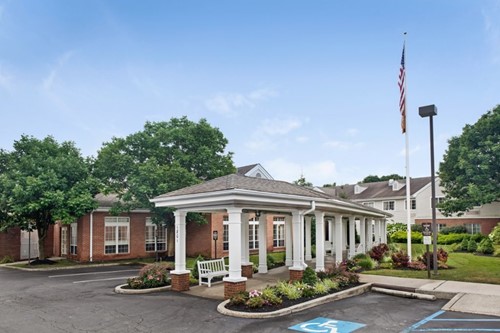 Assisted Living
Brighton Gardens of Edison
Edison, NJ
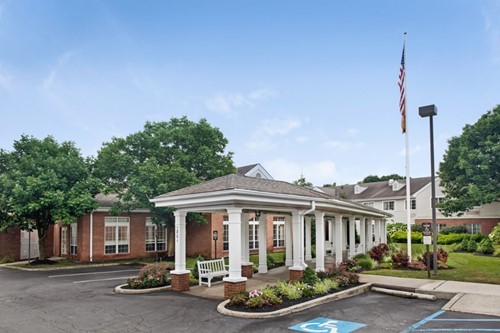 Assisted Living
Brighton Gardens Of Edison
Edison, NJ
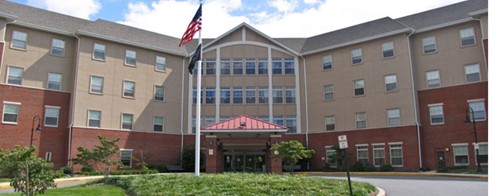 Assisted Living
Roosevelt Care Center
Edison, NJ
Assisting Hands of Central NJ
Edison, NJ
Maxim Healthcare Services - North Brunswick
Edison, NJ
Seasons Hospice & Palliative Care Of New Jersey Ll
Edison, NJ
Grace Healthcare Services LLC
Edison, NJ
Free Quotes
Get quotes from local pros in Edison
Tell us what you need and we’ll pass it to companies that serve your area. It’s free, and there’s no obligation.

Compare Edison with any city
See how it stacks up on cost, income, and quality of life.
Start Comparing