


City Profile
Memphis, Tennessee
USA · Comprehensive city data and intelligence
Memphis, Tennessee, a city steeped in rich history and vibrant culture, is famously known as the 'Home of the Blues' and the 'Birthplace of Rock 'n' Roll'. Situated along the Mississippi River, it has played a pivotal role in American music history, with legends like Elvis Presley and B.B. King launching their careers here. The city offers a unique blend of urban excitement and Southern charm, attracting residents with its diverse cultural attractions, historic sites, and a lively social scene. Despite experiencing some population decline in recent years, Memphis continues to draw new residents with its affordability and strong community spirit.
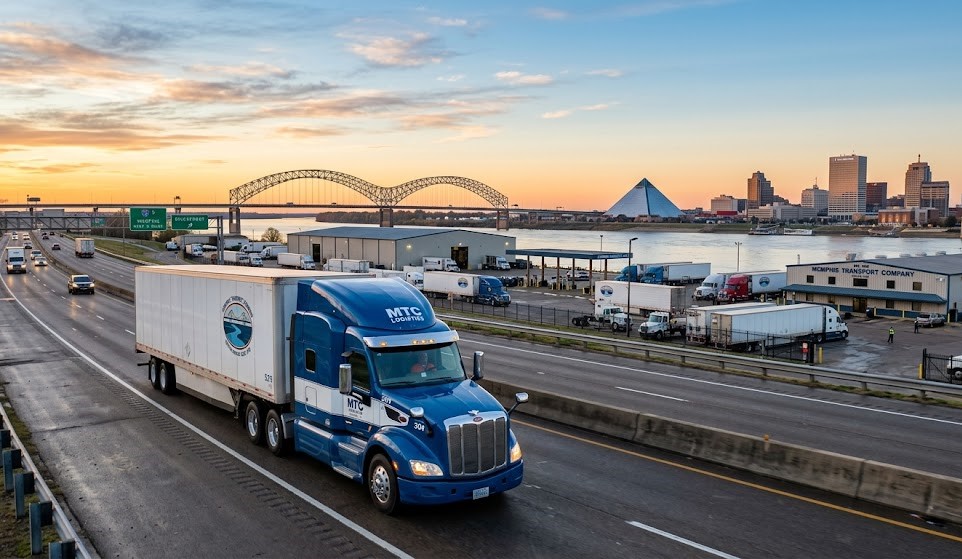
Memphis is the largest city in Tennessee by population, characterized by a dynamic mix of music, cuisine, and outdoor activities. The city's character is shaped by its deep musical roots, from the iconic Beale Street to its soul food restaurants and burgeoning craft breweries. It serves as a major hub for transportation and logistics, contributing significantly to its economic landscape. The city's demographic profile, with a median age in the mid-30s, suggests a young professional demographic, though it also caters to families and retirees seeking a more affordable lifestyle.
Tennessee, known as the "Volunteer State," offers a diverse landscape ranging from the Appalachian Mountains in the east to the Mississippi River in the west, fostering a rich cultural heritage, particularly in music. The state's economy is robust and diversified, with major industries including manufacturing (automotive, chemicals, advanced manufacturing), healthcare, agriculture (soybeans, tobacco, cotton, beef cattle), and tourism. Living in Tennessee is generally considered affordable, with a cost of living approximately 10-15% lower than the national average, and it boasts no state income tax. The climate is predominantly humid subtropical, characterized by warm, humid summers and mild winters, though temperatures vary with elevation. Residents enjoy a lifestyle that blends natural beauty and outdoor recreation with vibrant cultural scenes in its major cities, alongside a strong sense of community.

Featured Events
Happening in Memphis
Featured and sponsored events in Memphis.
Local Directory
Businesses in Memphis
Featured local businesses in Memphis.
Performance
Quality Scores
Expenses
Cost of Living
The cost of living in Memphis is notably lower than the national average, making it an attractive option for many. Various sources indicate that Memphis's cost of living is between 7.8% and 14.2% lower than the U.S. average. This affordability is a significant draw, particularly for housing and utilities, which are considerably less expensive than in many other major American cities.
While overall costs are low, certain expenses, such as utilities, can still pose a challenge for some residents. Despite Memphis Light, Gas and Water (MLGW) rates being among the lowest in the country, a significant portion of low-income households face a high energy burden, spending a large percentage of their income on utility bills. Housing costs, including both rent and home purchases, also remain below national averages, contributing to the city's overall affordability.
Income
Salary Insights
Memphis's economy is driven by several key industries, with Transportation & Warehousing, Health Care & Social Assistance, and Retail Trade being the largest employers in 2024. Other significant sectors include Professional, Scientific, and Technical Services, and Manufacturing. The city serves as a major logistics hub, largely due to the presence of FedEx's global hub, which provides numerous employment opportunities.
Despite its strong industrial base, Memphis has experienced a decline in employment, with a rate of -1.88% from 2023 to 2024. The city has also seen a population loss in recent years, which impacts the overall job market and growth momentum. However, Memphis is recognized as an affordable city for investors, suggesting underlying long-term economic fundamentals and stable tenant demand, which could signal future growth potential.
The average salary in Memphis is $45,000 per year. You would need approximately $70,000 to live comfortably.
Employment
Top Industries
Weather
Climate
Mobility
Transport
Getting around Memphis primarily relies on personal vehicles, as indicated by its 'Car-Dependent' designation and a low walkability score. The average commute time for residents is around 21.1 minutes. While public transportation options exist, they are considered minimal, with bus services available.
The city's traffic congestion level was 19.4% in 2025, similar to 2024, according to TomTom's Traffic Index. Efforts are underway to improve transportation infrastructure, including street paving projects and updates to MATA (Memphis Area Transit Authority) routes. Despite these efforts, the city's infrastructure still largely necessitates car ownership for most errands and daily commutes.

At a Glance
Pros & Cons
Advantages
Drawbacks
Head to Head
Compare Memphis
Community Q&A
Questions about Memphis
What people ask about living in and moving to Memphis, Tennessee.
FAQ
Frequently Asked Questions
Businesses for Sale in Memphis
Explore active acquisition & franchise opportunities .
Senior Care in Memphis
2 assisted living, nursing & memory care facilities in Memphis.


City Guide
Explore Memphis
Free Quotes
Get quotes from local pros in Memphis
Tell us what you need and we’ll pass it to companies that serve your area. It’s free, and there’s no obligation.

Compare Memphis with any city
See how it stacks up on cost, income, and quality of life.
Start Comparing