


Fastest Growing Industries in Texas: Economic Expansion 2026

Fastest Growing Industries in Texas: Economic Expansion 2026
The Texas economic landscape in 2026 represents a masterclass in industrial resilience and strategic adaptation. As the state moves further into the mid decade, it has successfully transitioned from a traditional energy reliant economy to a multifaceted global powerhouse. This shift is not incidental; it is the result of decades of infrastructure investment, a business friendly regulatory environment, and a relentless focus on human capital development. Investors, corporate strategists, and ambitious founders are turning their attention to Texas as the primary theater for American industrial growth. By leveraging detailed economic analysis, stakeholders can navigate the complexities of this expansive market to identify where capital deployment yields the highest returns.
The Technological Frontier and Innovation
The technological sector in Texas has evolved into the primary engine of the state economy. While the northern corridors of Dallas and the central hub of Austin remain the traditional centers of innovation, we are seeing a massive expansion into secondary markets. This dispersion is a direct consequence of a workforce that is increasingly mobile and seeking lower living costs without sacrificing access to high growth career opportunities. Founders who decide to start a business in the Texas tech sector now find that the ecosystem supports everything from early stage software development to large scale hardware manufacturing.
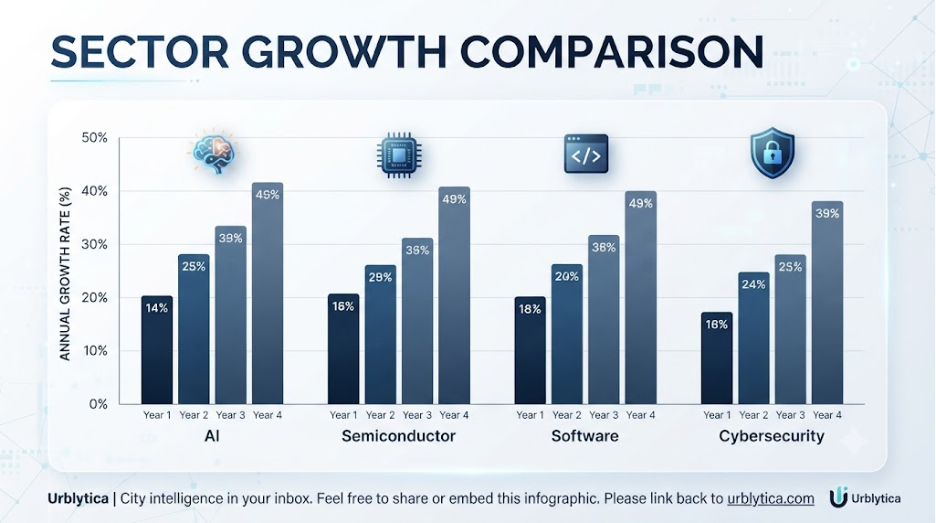
The growth in Artificial Intelligence and semiconductor manufacturing is fundamentally changing labor demand in cities like Austin and Dallas. As companies move to start a business in Texas, they often rely on local labor pools that are increasingly specialized. This concentration of expertise creates a feedback loop: more startups drive demand for infrastructure, which in turn attracts more venture capital and research initiatives. The synergy between university research and private sector applications creates a cycle of constant improvement that is hard to replicate elsewhere.
|
Industry Sector |
Growth Rate 2024-2026 |
Primary Driver |
Employment Contribution |
|
Artificial Intelligence |
8.4 percent |
R and D investment |
High |
|
Semiconductor Manufacturing |
7.2 percent |
Global supply chain |
High |
|
Software Development |
6.8 percent |
Corporate relocation |
Very High |
|
Cybersecurity Services |
6.5 percent |
Digital infrastructure |
Moderate |
|
Fintech Solutions |
6.2 percent |
Regional banking |
High |
|
Data Analytics |
6.0 percent |
Market intelligence |
Moderate |
|
Cloud Computing |
5.8 percent |
Enterprise migration |
High |
Energy and Industrial Innovation
While traditional energy remains a cornerstone of the state's economy, the pivot toward sustainable and integrated energy solutions is creating new growth vectors. Firms managing these shifts often use business guides to navigate the complexities of regulatory compliance. The demand for modern energy infrastructure has spurred massive investment in grid resilience and smart systems. Texas is uniquely positioned to lead the renewable transition because it possesses the scale, the land, and the existing energy expertise to turn experimental models into profitable industrial realities.
For those looking to enter the sector, the option to buy a business that is already integrated into the state supply chain offers a significant head start. Entrepreneurs often use a break even calculator to map their operational margins in this high capital environment. This shift toward sustainability is not merely about environmental impact but about economic efficiency and long term viability in a competitive global market. The transition from fossil fuel reliance to a diversified energy portfolio is a testament to the state's capacity to evolve while maintaining its status as an energy capital.
The Role of Logistics and Trade
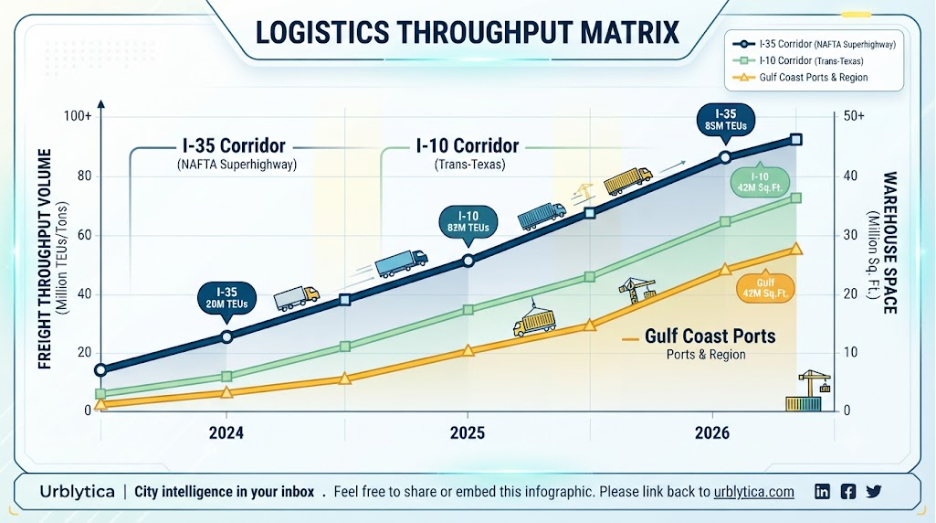
Texas occupies a unique geographic position that facilitates global trade. The modernization of ports and international trade corridors has turned the state into a logistics hub that serves as the gateway to the southern United States and Mexico. Managing these operations requires precision, and firms often rely on a bulk address cleaner to keep their logistical databases accurate and error free. The velocity of trade through these corridors is currently at an all time high, driven by the near shoring of manufacturing facilities from abroad back to the North American continent.
Companies that prioritize lean operations are increasingly using a subscription analyzer to manage digital overhead. Efficiency is the key to maintaining a competitive edge in such a high velocity market, and project managers often optimize their output by utilizing time blocker technology. This focus on logistical optimization is not limited to large freight carriers; it extends to small and medium enterprises that now require sophisticated digital infrastructure to compete in the regional market.
|
Logistics Metric |
Texas Performance |
Growth Trend |
Operational Impact |
|
Freight Throughput |
Very High |
Upward |
Major |
|
Infrastructure Investment |
High |
Steady |
High |
|
Digital Integration |
High |
Rapid |
Critical |
|
Warehouse Availability |
Moderate |
Increasing |
Significant |
|
Port Efficiency |
High |
Stable |
High |
|
Rail Expansion |
Moderate |
Upward |
Significant |
Healthcare and Senior Support Systems
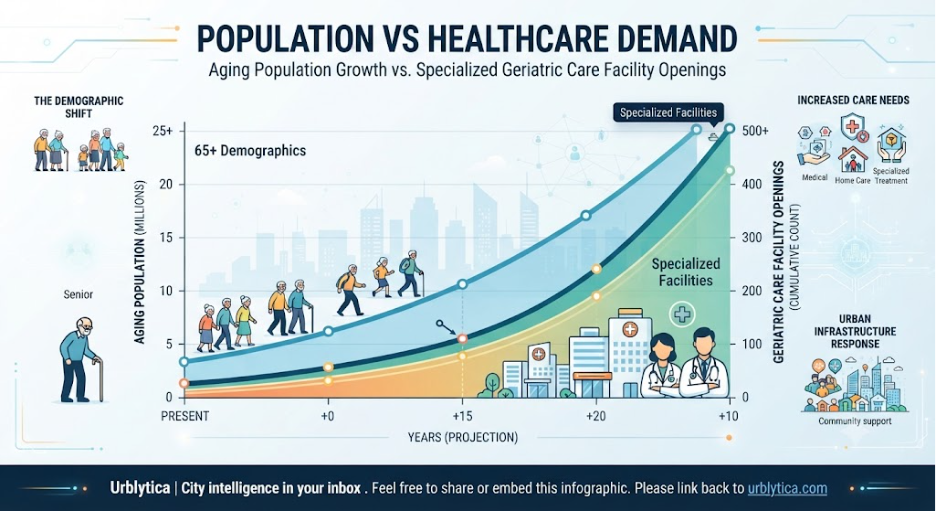
The rapid aging of the Texas population is driving sustained demand for healthcare services. Companies that seek health and senior care expertise find that this sector is remarkably resilient. For families navigating these changes, finding the right support is a major priority. Many look to search for caregivers provide professional assistance. As the state population swells, the demand for geriatric care is outstripping existing capacity, creating a lucrative opportunity for investors and health service providers.
Planning long term care is an essential task for aging residents. Families often utilize assisted living support coordination to ensure they have the proper resources. Understanding the local laws is also vital, and residents often consult elder law resources to protect their financial interests. The healthcare industry in Texas is currently focused on expanding geriatric facilities and clinical research centers to meet the needs of the growing retired demographic. This shift in healthcare focus is also influencing real estate development, as new communities are designed from the ground up to incorporate integrated medical support and accessible living environments.
Entrepreneurial Environment and Regulatory Support
Founders aiming to register new entities find that the state process is streamlined. When you consult business formation experts to guide you, you gain access to a business friendly legal framework. For those who need to manage professional legal and tax documents, BizStateFiling provides clear paths for registration. The ease of doing business in Texas is a primary factor in the state's net migration statistics, as founders weigh the lower cost of operations against the high cost of talent and infrastructure in legacy coastal cities.
Startups frequently audit their initial expenses by using an ROI audit to measure the effectiveness of their early investments. This focus on analytical performance is what separates high growth entities from the rest of the market. For those interested in established operations, looking into a business for sale can be a strategic way to scale without the risks associated with starting from scratch. By accessing these resources, entrepreneurs can reduce the time to market their products and services, ensuring that they remain competitive in a rapidly evolving business climate.
Infrastructure and Regional Development
The growth of urban corridors has put a premium on efficient planning. Many residents perform a relocation cost calculator check to see if moving closer to major hubs is feasible. As the population grows, the demand for independent living and other housing options continues to rise. This demand is forcing a total rethink of regional development, with cities now prioritizing transit oriented development and dense residential zones that support a lower carbon footprint and higher accessibility.
For professionals analyzing these shifts, the fastest growing cities report highlights that population movement is directly tied to job growth. Businesses that monitor these trends are better prepared to allocate capital effectively. The development of high speed transit and the expansion of suburban residential zones are shaping the way businesses approach site selection for their new office locations. By analyzing infrastructure trends, developers can anticipate the growth of new business clusters before they become overly saturated.
Strategic Economic Outlook for 2026
The Texas economic landscape is not monolithic. It is a mosaic of high tech manufacturing, energy sector innovation, and logistics heavy infrastructure. As we look at the trajectory through the end of 2026, the resilience of the state's economy is tied to its ability to absorb both domestic and international migration. The professional service sectors, including finance and marketing, are also experiencing significant growth as they provide the support structure for these primary industries. The diversification of the Texas economy is arguably its greatest strength, as it allows the state to hedge against industry specific downturns that might affect other parts of the country.
Firms that effectively leverage economic analysis data are better equipped to understand where the next wave of capital will land. Whether it is in the expansion of data centers in the suburbs of Dallas or the development of renewable energy microgrids in West Texas, the growth is widespread. This dispersion of economic activity is critical to the state's long term health, as it prevents the overheating of individual cities and promotes a balanced distribution of resources and wealth throughout the entire Texas region.
|
Economic Driver |
Impact Level |
Growth Stability |
Primary Benefit |
|
Corporate Relocation |
Very High |
Stable |
Infrastructure Inflow |
|
Population Influx |
High |
Upward |
Consumer Demand |
|
Export Capacity |
High |
Steady |
Global Market Link |
|
Tax Policy |
Moderate |
Favorable |
Business Incentive |
|
Labor Availability |
High |
Upward |
Productivity |
|
Education Spending |
Moderate |
Stable |
Skilled Pipeline |
Deep Dive into Emerging Markets
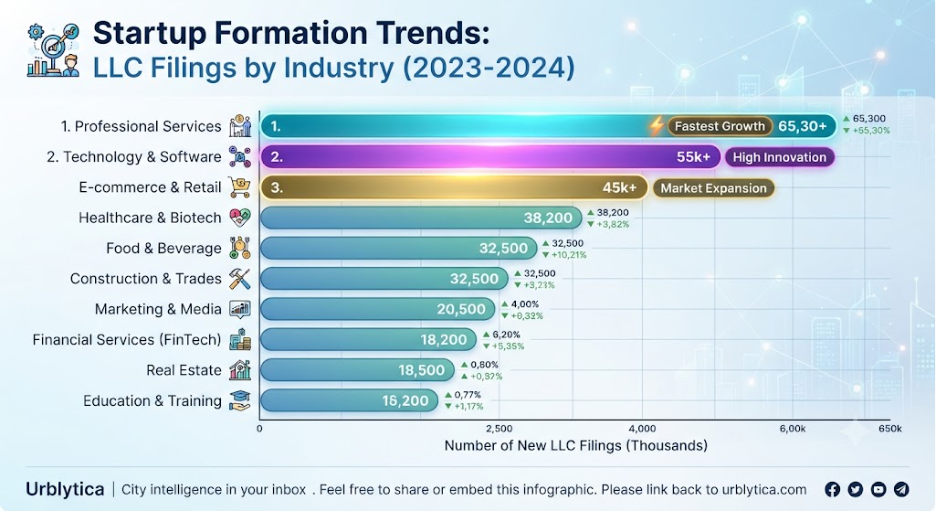
As we analyze the sectors further, it becomes clear that Texas is diversifying at an accelerated pace. Beyond the traditional pillars, we see massive activity in areas that support these primary sectors. For example, the professional services industry, which includes accounting, legal, and financial support, is growing in direct proportion to the volume of new business entities. This creates a secondary growth engine that is essential for the sustainability of the Texas economy. When service providers thrive, they provide regulatory, legal, and financial guardrails that allow primary industries to focus on their core competencies without being sidelined by bureaucratic or compliance hurdles.
Small business owners often reach out to business services manage their expansion as they move into these high growth corridors. The ability to source talent, manage digital infrastructure, and maintain regulatory compliance is where the most successful Texas firms are currently differentiating themselves. By investing in these secondary support networks, the Texas business ecosystem creates a safety net that protects individual startups and established corporations alike, ensuring the long term viability of the regional economy.
Frequently Asked Questions
1. Which industries are currently growing the fastest in Texas?
The technology, energy, healthcare, and logistics sectors are currently experiencing the most rapid growth due to corporate migration and demographic shifts.
2. How can I start a business in Texas efficiently?
You can utilize online business registration platforms to streamline your entity creation and ensure compliance with state regulations from the start.
3. Is the energy sector still a primary driver of the Texas economy?
Yes, but it is evolving into a more diversified energy landscape that includes renewable energy infrastructure and advanced petrochemical production.
4. How do I evaluate the cost of living when moving to Texas?
Prospective residents should use a comprehensive cost of living calculator to weigh salary potential against housing and transportation expenses.
5. What tools help businesses manage their operational costs in Texas?
Firms often use a subscription analyzer to audit enterprise software spending and project management tools to optimize team output.
6. What is the role of logistics in the Texas economy?
Logistics acts as the backbone of trade, facilitating the movement of goods through major ports and highway corridors that connect Texas to global markets.
7. How is the healthcare sector changing in Texas?
The sector is focusing on expanding geriatric care and clinical research to meet the needs of an aging population.
8. Where can I find data on business growth in Texas?
You can review economic profiles and regional market reports that track growth statistics, venture capital inflow, and new business filings.
9. Why is Texas attracting so many startups?
The combination of a favorable regulatory environment, zero personal income tax, and a rapidly expanding pool of skilled labor make Texas a magnet for new ventures.
10. What should I prioritize when planning a long term care strategy?
Prioritize legal documentation, financial planning for care expenses, and evaluating assisted living or home based care options to ensure future security.
The evolution of Texas in 2026 is a study of calculated growth. By maintaining a focus on industry specific development and infrastructure, the state continues to provide a fertile ground for both domestic and international enterprises. For those looking to participate in this expansion, the tools are readily available to ensure that your business formation and operational strategy are aligned with the state economic trajectory. Whether you are an investor, a business owner, or a professional looking for a new hub, Texas offers a uniquely favorable environment that is positioned for sustained success in the future.
Put Your Brand in Front of Movers & Founders
Reach a high-intent relocation and business audience across thousands of cities. Claim your space today.
View Placement Rates →