Manufacturing Growth by State: A Comprehensive Strategic Analysis 2026
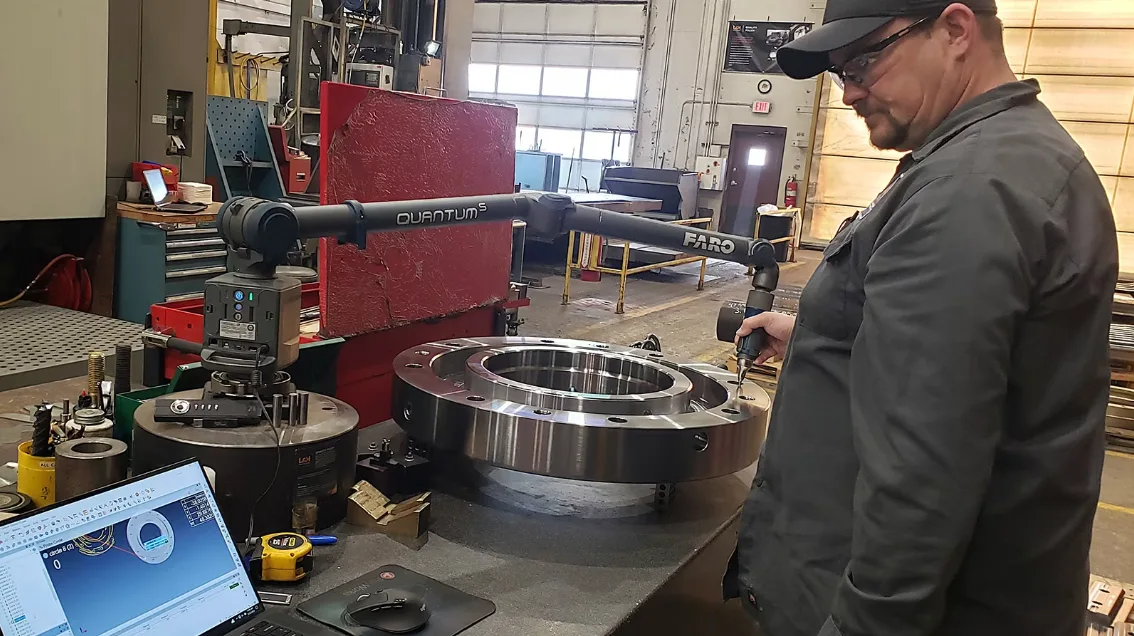

The American industrial sector is currently witnessing a renaissance that is fundamentally reshaping the national economic map. As global supply chain vulnerabilities continue to challenge traditional business models, the push toward domestic production has transitioned from a strategic preference to an absolute economic necessity. This shift is not confined to legacy industrial corridors but is spreading across the nation, driven by advancements in automation, energy infrastructure, and workforce development. States that have historically been overlooked are now emerging as key players in this industrial evolution, leveraging their unique geographic and regulatory advantages to attract multibilliondollar investments.
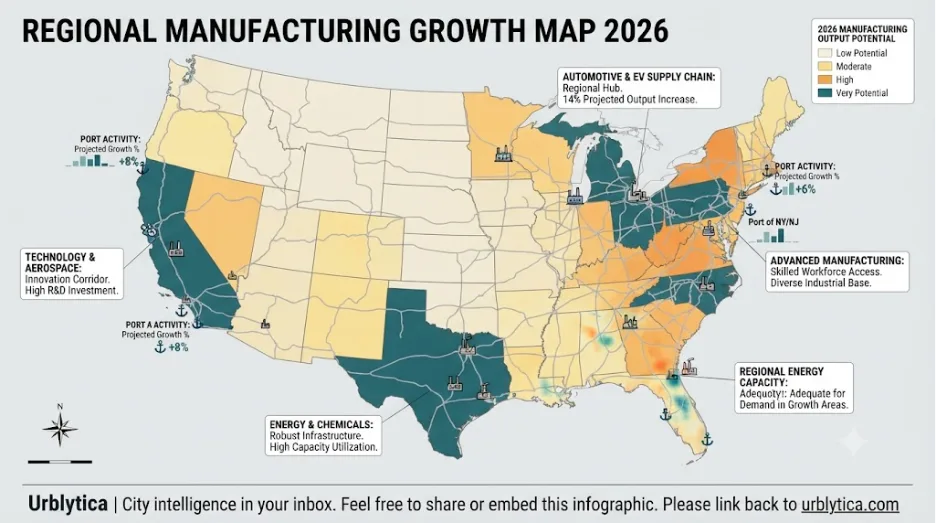
This strategic 2026 economic report analyzes regional US manufacturing growth, evaluating state-level industrial output, tax incentives, and smart factory investment. By assessing supply chain shifts, labor availability, and tech adoption across the industrial sector, the analysis highlights which states are leading America’s manufacturing resurgence.
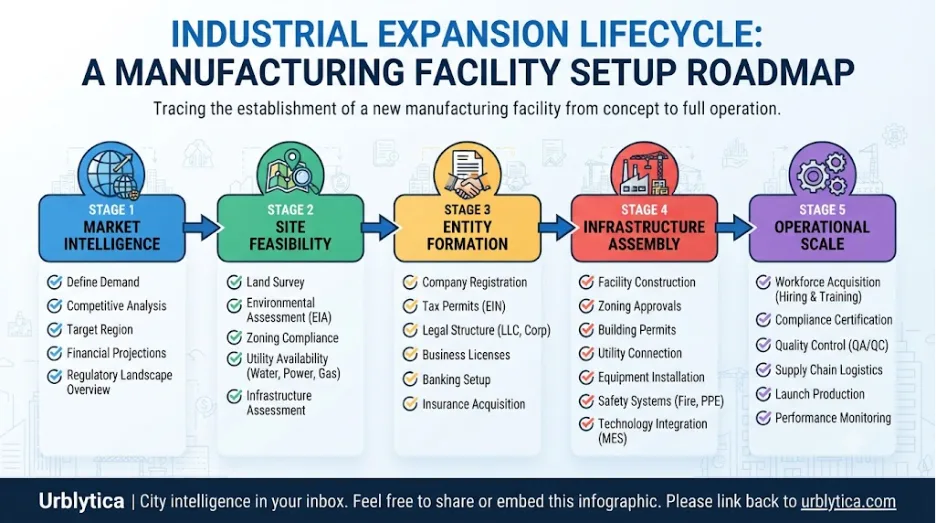
To succeed in this environment, companies must adopt a rigorous approach to business formation. Whether you are looking to start a business in a burgeoning manufacturing hub or seeking to expand an existing enterprise, understanding the interplay between local regulation and operational efficiency is paramount. Leaders are now looking beyond tax incentives, focusing instead on longterm infrastructure stability and the availability of specialized talent pipelines. This article explores the structural drivers of this growth, the regional dynamics shaping statelevel success, and the financial disciplines required to scale in the modern industrial landscape.
The Structural Drivers of Industrial Resurgence
The modern manufacturing landscape is dictated by a shift toward operational resilience. Business leaders are no longer prioritizing the lowest possible cost of labor at the expense of stability. Instead, they are evaluating locations based on total land cost, digital integration, and proximity to research ecosystems. For firms looking to enter this space, the foundational step involves a clear understanding of the regulatory landscape and legal structuring. Selecting the right entity types is a critical precursor to scaling, as it defines the firm's liability profile and tax obligations as they invest in fixed assets and heavy machinery.
Furthermore, the integration of automation and data analytics into factory floors has changed the definition of what a competitive manufacturing site looks like. Proximity to hightech research universities and robust logistics networks is now more valuable than simple tax breaks alone. When executives decide to buy a business in a new state, they are looking for ecosystems that provide a pipeline of skilled technicians and engineers. This creates a feedback loop where industrial growth drives innovation, which in turn attracts more investment. The complexity of these transitions makes accurate recordkeeping and data hygiene essential for longterm survival, as firms often struggle with administrative friction during periods of rapid scaling.
The Evolution of the American Factory Floor
The modern factory is a digitalphysical hybrid. It is no longer a dark, industrial space, but a bright, techdriven center where data scientists work alongside machinists. This transition to Industry 4.0 is being felt most acutely in states that have embraced vocational training. Companies are finding that they cannot simply hire the talent they need; they must build it. Partnerships between private corporations and state community colleges have become the gold standard for longterm industrial success. By aligning curriculum with the specific needs of local manufacturers, states are creating a workforce that is ready for the challenges of automation, predictive maintenance, and cloudintegrated supply chain management.
For those overseeing these transitions, keeping track of administrative responsibilities is paramount. Firms that prioritize their compliance calendar are consistently better positioned to secure private financing and government grants. Administrative failure, such as missing an annual report filing, can lead to the loss of good standing, which acts as a major red flag for potential investors or partners. Maintaining operational clarity requires discipline, often supported by tools that help with freelance tax and operational reporting.
Table 1: StateLevel Industrial Growth Metrics and Strategic Focus
|
State |
Primary Growth Engine |
Strategic Advantage |
Regulatory Climate |
Workforce Index |
|
Texas |
Energy and Aerospace |
Logistics Networks |
ProBusiness |
High |
|
Florida |
Electronics/Advanced Mfg. |
Global Port Access |
Moderate |
High |
|
Ohio |
Precision Machinery |
Midwest Connectivity |
Balanced |
Moderate |
|
Georgia |
Automotive Assembly |
Workforce Training |
Competitive |
Moderate |
|
Arizona |
Semiconductor Fab |
Tech Hub Ecosystem |
Moderate |
High |
|
Michigan |
Heavy Automotive |
Legacy Talent Pool |
Balanced |
High |
|
Tennessee |
Medical Devices |
Distribution Hub |
Favorable |
Moderate |
|
North Carolina |
Biotechnology |
Research Corridors |
Balanced |
High |
Strategic Site Selection: A MultiDecade Horizon
Selecting a manufacturing site is a decision with a multidecade horizon. Leaders must account for demographic trends, labor costs, and longterm energy infrastructure stability. Firms that engage in a rigorous economic analysis prior to site selection drastically reduce their exposure to operational risk. The process of evaluating a site should be datadriven, looking beyond immediate tax breaks to assess the longterm viability of the local labor market and the state's investment in technical training pipelines.
The role of regional economic clustering cannot be overstated. When firms cluster in specific regions, they benefit from an existing ecosystem of suppliers, specialized service providers, and a workforce that is already accustomed to the rigor of industrial production. This environment fosters innovation, as firms share ideas on automation, predictive maintenance, and supply chain management. For companies navigating this transition, utilizing tools like a bulk address cleanerhelpmaintain data hygiene across the complex network of payroll and employee databases that result from rapid expansion. Furthermore, organizations can review top states for business to identify where the best economic climates are being nurtured by proactive state governments.
Capital Intensity and Financial Discipline
Capital intensity is a defining feature of modern manufacturing. Before committing to a facility, leadership must perform a thorough break even analysis. This projection helps management understand the exact production volume required to cover fixed costs and move toward netpositive cash flow. In addition to largescale capital investments, firms must manage recurring operational expenditure. A subscription analyzer is an invaluable tool for modern manufacturers, as it identifies redundant software or service costs that can be redirected into research and development.
Scaling operations across state lines introduce significant complexity in financial modeling. Executives must account for disparate tax codes, varying utility costs, and different labor market pressures. The key to maintaining solvency is to ensure that the debttoequity ratio remains stable while investing in assets that depreciate over long periods. This balance requires constant monitoring of cash flow projections and a disciplined approach to reinvestment. When evaluating potential markets, using a relocation cost calculator can provide insights into the realworld costs of expanding into new industrial territories.
Table 2: Financial Scaling Indicators for Manufacturing Operations
|
Financial Metric |
Performance Goal |
Risk Management Factor |
Significance for Scaling |
|
Breakeven Point |
Under 24 Months |
Fixed Cost Management |
Essential for Capital Recovery |
|
Operating Margin |
Above 15 Percent |
Input Cost Volatility |
Measures Operational Efficiency |
|
DebttoEquity Ratio |
Below 1.0 |
Interest Rate Fluctuations |
Ensures Longterm Solvency |
|
Return on Assets |
Above 10 Percent |
Asset Depreciation |
Validates Capital Investment |
|
Labor Productivity |
5 Percent Annual Growth |
Skill Shortages |
Drives Scalability |
|
Supply Chain Lead |
Under 30 Days |
Geopolitical Instability |
Protects Output Continuity |
|
Inventory Turnover |
Over 6 Times |
Market Fluctuations |
Maximizes Liquid Cash Flow |
|
R&D Investment |
Over 5 Percent |
Stagnation Risk |
Fuels Future Innovation |
The Future of Hybridization: Human and Machine
The future of American manufacturing is rooted in hybridization: the combination of human expertise with autonomous systems. Digital infrastructure, such as cloudbased supply chain management, is no longer optional. Firms that fail to adopt these technologies risk falling behind their competitors in both cost and quality. This shift requires a change in mindset, from viewing the factory as a static entity to viewing it as a dynamic, responsive node in a global network.
Choosing a location is only the first step. The ongoing requirement is to maintain a culture of continuous improvement. This means constantly auditing processes, refining workflows, and ensuring that the corporate structure remains optimized for growth. When selecting your business name and preparing for filing, using resources as a business name search ensures you establish a brand identity that is compliant and available. These small steps, when compounded over years of operation, build the foundation of an industrial giant. For those exploring the broader industrial landscape, resources like business guides are essential for any executive.
Workforce Realignment: Building the Talent Pipeline
The technical talent gap remains a significant challenge for the manufacturing sector. As production floors become more autonomous, the requirement for personnel who possess specialized training is rising. Educational institutions are increasingly partnering with private industry to create dualcredit training and apprenticeship models. This creates a workforce that is ready to hit the ground running upon graduation. For firms, this is the most effective form of recruitment. Investing in the local workforce not only solves the talent shortage but also fosters deep community goodwill, which is a significant advantage when negotiating future expansion projects or local permitting.
The intersection of technology and labor is where the future of American manufacturing will be won. As firms move toward digital twins and predictive maintenance, they need a workforce that is comfortable with both the physical reality of a machine and the digital dashboard that monitors its health. This is why many firms look to best cities for startups see where innovation in robotics and software is being concentrated. By aligning their operations with these innovation hubs, manufacturers can foster partnerships that accelerate their technological adoption.
Sustaining Growth through Data Hygiene
As firms scale rapidly, data management often becomes an afterthought, leading to significant administrative friction. Inaccurate records in payroll, tax documentation, or regulatory filings can derail even the most successful manufacturing ventures. Proper data hygiene is not just about organizing files; it is about ensuring the integrity of the firm's existence. When operating across multiple states, the complexity of compliance is multiplying. Leveraging advanced administrative tools ensures that every node in the organization is working with accurate, uptodate information.
This operational discipline extends to the supply chain as well. Manufacturers must now act as tech companies, managing vast streams of data to predict supply shocks, optimize inventory levels, and maintain quality control. The firms that will succeed in the next decade are those that treat data with the same level of seriousness as they treat their physical equipment. They invest in software, train their staff, and continuously audit their processes to ensure that no inefficiency remains hidden.
Conclusion: Building for the Long Term
Manufacturing growth is a marathon, not a sprint. It requires a combination of strategic vision, operational discipline, and a deep commitment to the community. As we look toward the remainder of the decade, the states that will capture the most growth are those that foster collaboration between government, academia, and the private sector. The industrial sector is the bedrock of the American economy, and its resurgence is a testament to the resilience and ingenuity of the American workforce. By focusing on sustainable practices, embracing technological change, and maintaining rigorous compliance standards, manufacturers can build empires that stand the test of time.
The path forward is clear: integrate, modernize, and scale. Every decision, from selecting a state, to incorporating the right entity, to training the next generation of workers, must be made with an eye toward the future. The challenges of the modern global economy are significant, but they are matched by the opportunities for those who are prepared to innovate and lead. The industrial renaissance of the United States is just beginning, and for the manufacturers, the potential for success is greater than ever before. If you require further clarity, the faqs provide additional details on navigating these industrial shifts.
Frequently Asked Questions
1. Which state is currently experiencing the most significant manufacturing growth?
States like Texas, Florida, and Arizona are leading in manufacturing growth due to favorable regulatory environments and robust logistics infrastructure.
2. What is the most important factor when selecting a manufacturing site?
Beyond tax incentives, firms prioritize longterm energy stability, access to a skilled labor pipeline, and proximity to research universities.
3. How does automation impact the need for human labor in factories?
Automation shifts the demand from manual labor to highskill technical roles, requiring a workforce comfortable with digital dashboards and predictive maintenance.
4. Why is data hygiene critical for scaling manufacturing firms?
Inaccurate data in payroll, taxes, or compliance filings can cause severe administrative friction and legal issues that hinder rapid expansion.
5. What is the role of vocational training in industrial renaissance?
Vocational training and partnerships with community colleges create a steady pipeline of workers ready for Industry 4.0, which is essential for longterm competitiveness.
6. How can a firm determine its production volume requirements?
Conducting a thorough breakeven analysis helps firms understand the exact production volume needed to cover fixed costs and achieve netpositive cash flow.
7. Why is regional clustering important for manufacturers?
Clustering allows firms to share suppliers, specialized service providers, and a workforce already familiar with industrial requirements, which fosters innovation and lowers costs.
8. What role do government grants play in manufacturing expansion?
Government grants and incentives provide essential capital for firms to upgrade technology and train workers, though they should be secondary to longterm market viability.
9. How do tax codes influence manufacturing site selection?
Variations in state tax codes, utility costs, and labor market pressures are critical financial factors that executives must model carefully before committing to a site.
10. Is the current industrial growth sustainable in the long term?
Yes, as global supply chains restructure and firms emphasize operational resilience, domestic production is becoming a foundational requirement for economic health.