


Tampa vs Orlando Comparison: Economic and Demographic Analysis 2026
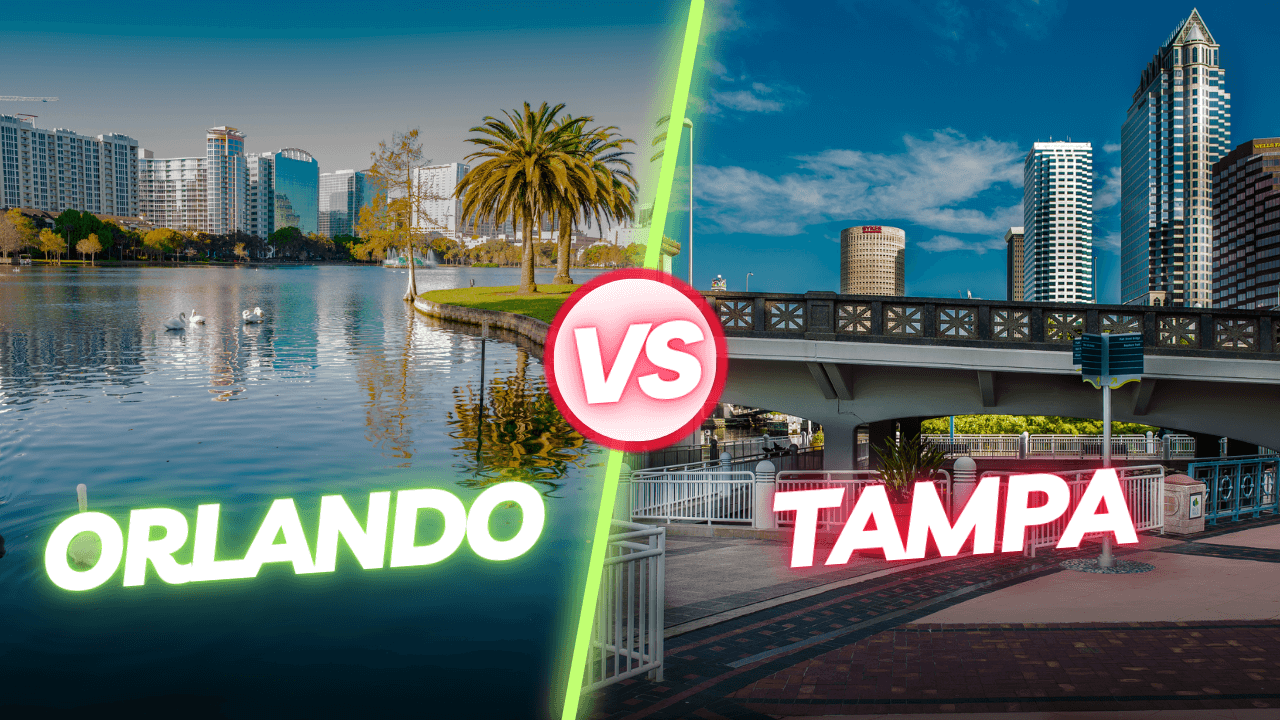

The Florida economic landscape in 2026 is defined by the strategic rivalry between Tampa and Orlando. As these two metropolitan engines continue to attract global capital and domestic migration, professionals and business leaders often find themselves weighing the distinct advantages of the Gulf Coast against the central nexus of the Sunshine State. Understanding this competition requires a detailed look at the demographic trends, industrial pillars, and the broader economic framework that governs development in these regions.
The Demographic Landscape
The demographic forces driving growth in these two hubs are distinct yet overlapping. Tampa experiences steady expansion, fueled by a mix of established professionals and retirees who value the lifestyle benefits of the Gulf Coast. Orlando, conversely, benefits from a highvelocity migration pattern, with a younger workforce moving to the area to pursue serviceoriented, hospitalitydriven, and innovationbased roles. When professionals evaluate the impact of these migration patterns, they often utilize a population growth metric to determine how the influx will affect future housing availability and public services.
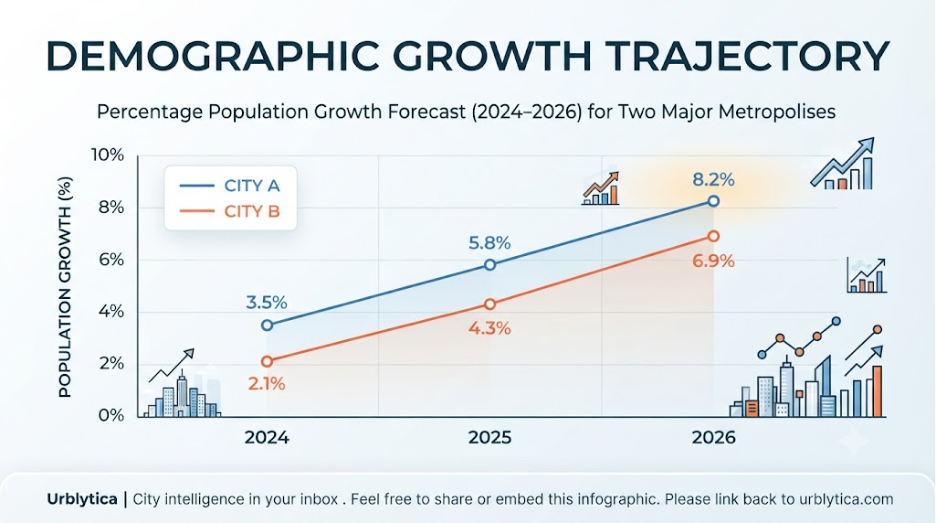
The metropolitan statistical areas of both cities have seen shifts in median age and education attainment over the last twentyfour months. While Orlando trends toward a younger, highly mobile demographic, Tampa has successfully maintained a base of established corporate entities that retain a consistent workforce. Accessing updated economic analysis provides a fundamental advantage for those planning longterm investments in either region.
|
Demographic Metric |
Tampa MSA |
Orlando MSA |
Trend Notes |
|
Annual Growth Rate |
1.7 percent |
2.3 percent |
Orlando leads in migration |
|
Median Age |
37.2 years |
35.8 years |
Tampa has established families |
|
Bachelor's degree Attainment |
36 percent |
34 percent |
Tampa has higher attainment |
|
Net Domestic Migration |
Moderate |
High |
Orlando attracting young talent |
Economic Engines of Growth
The economic bedrock of Tampa is anchored by its position as a financial and logistics powerhouse. Firms that operate within the maritime, finance, and insurance sectors find the Gulf Coast environment highly conducive to international trade. For entrepreneurs looking to start a business in this region, the established corporate infrastructure offers a stable environment for scaling operations. Tampa has effectively integrated its port activities with a growing healthcare sector, creating a balanced economic landscape that is less reliant on seasonal cycles than its central Florida counterpart.
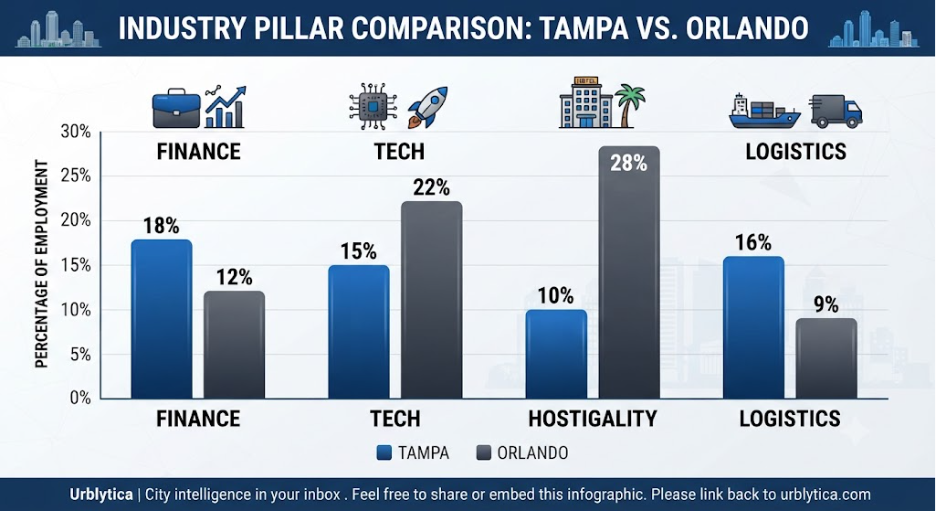
Orlando operates on different frequency. Historically defined by its tourism and hospitality sectors, the city is aggressively diversified into cybersecurity, life sciences, and simulation technology. For those interested in buying a business that is already optimized for a highgrowth environment, Orlando presents a unique opportunity in the techservices sector. Businesses that prioritize agility and scalability often find that they can buy a business in Orlando that align with the expanding research parks and the nearby university infrastructure.
|
Industry Pillar |
Tampa Economic Contribution |
Orlando Economic Contribution |
Primary Driver |
|
Tourism and Hospitality |
15 percent |
25 percent |
Global visitor demand |
|
Finance and Insurance |
22 percent |
12 percent |
Corporate headquarters |
|
Technology and Innovation |
14 percent |
20 percent |
Research initiatives |
|
Logistics and Trade |
18 percent |
14 percent |
Infrastructure access |
Entrepreneurial Environment and Incorporation
The regulatory climate in both cities is notably friendly for new enterprise formation. When founders prepare for the business formation of a new entity, they find that the procedural steps in Florida are highly efficient. Many founders choose to start a business within these regions to take advantage of the statewide benefits, such as the absence of a personal income tax.
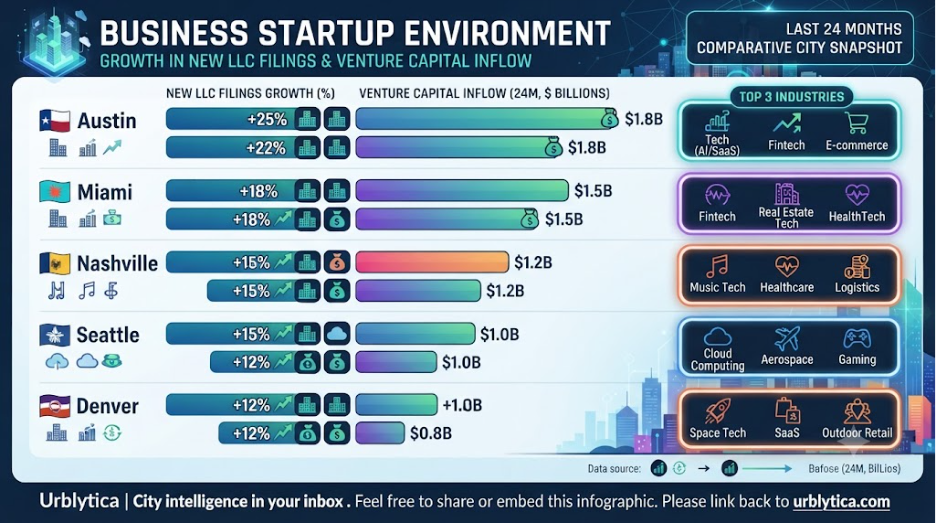
The startup success rates in both Tampa and Orlando are higher than the national average, though the sectors in which these startups thrive differ. Tampa excels in the integration of traditional industries with new technology. Entrepreneurs in the city are frequently using advanced tools to calculate their breakeven point, which allows them to map out their financial path with greater precision. In Orlando, the ecosystem is heavily geared toward software development and experiencebased services. Founders in Orlando often lean on professional business services to handle their legal and tax compliance, which allows them to focus on rapid scaling and venture capital procurement.
For those planning a venture, the regional differences in overhead costs are critical. Firms that prioritize lean operations often run a subscription analyzer to ensure their capital is deployed effectively across their most productive teams. In both cities, the ability to maintainaccurate records is essential. Logistical management firms often utilize a bulk address cleaner to maintain the integrity of their distribution databases, ensuring that supply chain communications are never interrupted by data quality issues.
Cost of Living and Housing Dynamics
For families and individuals moving to these regions, the cost of living remains a primary concern. When comparing these markets, it is helpful for families to use ancost of living assessment to determine their total financial footprint. The housing markets in both Tampa and Orlando have experienced significant appreciation over the last few years, driven by limited supply and high demand.
When navigating the decision of whether to rent or purchase, prospective residents look at rent vs buy calculations to understand their longterm financial exposure. The analysis often reveals that while Tampa offers a larger variety of housing stocks near the coast, Orlando offers more density in its newer urban centers. Those who are transitioning to these cities often use a salary assessment to determine their net to takehome pay, ensuring that their budget aligns with the local housing market trends.
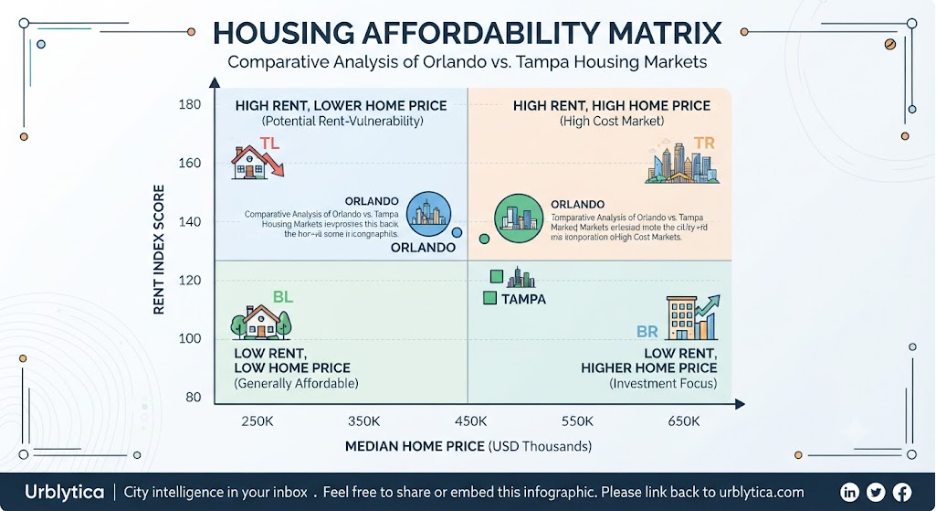
Managing these financial transitions also involves assessing the availability of support for aging family members. As both cities continue to attract retirees, there has been a significant rise in the demand for senior care in the United States. Families looking to manage these transitions often seek assisted living support coordination to ensure their relatives have access to the highest quality of care.
|
Cost Metric |
Tampa Market Index |
Orlando Market Index |
Financial Impact |
|
Median Home Price |
High |
High |
Competitive in both metros |
|
Rent Index Score |
Moderate |
High |
Orlando housing is more dense |
|
Daily Transportation Cost |
Moderate |
Moderate |
Dependence on personal vehicles |
|
Utility Expense |
Moderate |
Moderate |
Consistent across Florida |
Infrastructure and Regional Connectivity
Tampa has made significant strides in the modernization of its port and the expansion of its highway systems to better facilitate international trade. For project leads who need to manage multiple workstreams and avoid the pitfalls of traffic congestion, tools like time blocker have become indispensable for maintaining high productivity in an environment where time is a premium commodity.
Orlando has taken a different approach, focusing its infrastructure development on the integration of mass transit and the expansion of its international airport as a gateway to the Americas. This connectivity has made it a preferred location for global firms that need to manage both domestic and international operations. For firms that operate in both Tampa and Orlando, the ease of movement along the I-4 corridor is the backbone of their logistical strategy. Companies that effectively manage their time and resources are often the ones that thrive, and many project managers rely on digital tools to optimize daily calendar scheduling to maintain a highoutput environment.
Healthcare and Senior Support Systems
The healthcare infrastructure in both Tampa and Orlando is robust, reflecting the growing needs of their respective populations. Tampa is home to several internationally recognized medical research centers, which contribute to a high standard of clinical care. Orlando has seen a surge in specialized health facilities that cater to its expanding demographic, including a significant focus on geriatric health and specialized nursing.
For individuals and families, identifying the right support is a vital step in ensuring longterm security. Organizations that specialize in searching for caregivers provide necessary support systems. For those planning these transitions, following a stepbystep plan for transitioning to assisted living is highly recommended. It is also wise for families to explore elder law resources to ensure that legal and financial documents are in order, which protects the assets and health interests of aging loved ones.
|
Healthcare Service |
Tampa Availability |
Orlando Availability |
Primary Benefit |
|
Clinical Research |
Very High |
High |
Access to new treatments |
|
Assisted Living Support |
High |
High |
Personalized care coordination |
|
Specialized Geriatric Care |
Moderate |
High |
Focus on chronic conditions |
|
Inhome Companion Care |
High |
High |
Quality of life assistance |
Strategic Considerations for New Residents
The choice between Tampa and Orlando is rarely about one being superior to the other; it is alignment with specific goals. Those who are drawn to a city with an established, maritimebased economic identity often find Tampa to be the most suitable choice. Conversely, those who seek an environment defined by rapid innovation, highenergy service sectors, and global connectivity frequently choose Orlando.
For entrepreneurs who want to follow various business guides to start a venture in a market that is constantly evolving, both cities offer a wealth of opportunities. The key is to leverage the existing business ecosystem, whether that means engaging with local chambers of commerce or utilizing regional data resources. By thoroughly assessing the demographic trends and industrial strengths of each city, professionals can make an informed decision that supports both their career growth and their personal lifestyle objectives.
Business Growth and Sustainability
The sustainability of economic growth in Florida is predicated on the ability of its cities to adapt to changing market conditions. Both Tampa and Orlando have demonstrated a remarkable capacity to pivot during periods of volatility. Firms that maintain a proactive stance toward digital transformation are better positioned to weather the fluctuations of the current cycle. Furthermore, the emphasis on quality of life, coupled with a favorable tax environment, ensures that both cities will remain top contenders for talent and investment in the years to come.
Founders and investors should also keep an eye on the emerging trends in real estate and infrastructure, as these will dictate the geographic centers of gravity for new enterprises. As the two cities continue to expand, the synergy between their economies will likely increase, creating a massive, interconnected regional powerhouse that will define the future of the American south. Whether you are looking for a franchise opportunity or simply looking for the best city to live in, Tampa and Orlando offer a compelling array of choices that cater to almost every professional and personal need.
Frequently Asked Questions
1. Which city is better for starting a business, Tampa or Orlando?
Both cities offer excellent environments for startups, but the choice depends on your industry. Tampa is ideal for finance and traderelated enterprises, while Orlando excels in techfocused and serviceoriented sectors.
2. How do demographic trends differ between these two cities?
Tampa trends toward a more established, professional demographic, while Orlando attracts a younger, highly mobile workforce due to its service and tech industry growth.
3. Is the cost of living significantly different in Tampa versus Orlando?
The cost of living is comparable, though housing costs can fluctuate based on the specific neighborhood and proximity to the city center or coastline.
4. What industries are the primary economic drivers for each city?
Tampa is driven by finance, healthcare, and logistics. Orlando is driven by tourism, hospitality, cybersecurity, and simulation technology.
5. How do I decide which city is best for my retirement?
Both cities offer robust senior care and healthcare support, but Tampa often appeals more to those who value coastal accessibility, while Orlando offers a central location with access to global transportation.
6. Are there specific legal or financial tools to help with moving?
Yes, using a relocation calculator can help you estimate moving expenses, and consulting elder law resources is recommended if you are relocating aging family members.
7. What is the business formation process in these Florida cities?
The process is streamlined and consistent across the state, with many founders utilizing online business formation platforms to register their companies efficiently.
8. How can businesses manage their digital overhead in these regions?
Many businesses use subscription analyzer tools to audit their enterprise SaaS spending and ensure their digital operational costs do not erode their profit margins.
9. What is the impact of regional connectivity on these economies?
The I-4 corridor is vital for the integration of both economies, allowing for the easy movement of goods and labor between the two major metropolitan hubs.
10. Where can I find more detailed data on the economic performance of these cities?
You can explore comprehensive regional market viability data to get an indepth look at growth statistics, population metrics, and industrial performance in both Tampa and Orlando.

