


City Profile
Orlando, Florida
USA · Comprehensive city data and intelligence
Orlando, Florida, often recognized as the "Theme Park Capital of the World," has evolved into a dynamic metropolitan area with a rich history rooted in agriculture and citrus farming before its transformation into a global tourism and entertainment hub. Its strategic location in Central Florida, coupled with a warm climate and a vibrant economy, has drawn a diverse population seeking opportunities and a desirable lifestyle. People are drawn to Orlando for its abundant recreational activities, family-friendly atmosphere, and a burgeoning job market that extends beyond the tourism sector.
The city's character is a blend of its world-famous attractions and a growing urban core that offers cultural experiences, diverse dining, and a strong sense of community. This unique combination makes Orlando an appealing destination for both visitors and residents, fostering an environment of continuous growth and development. As Orlando continues to expand, it maintains its reputation for hospitality while embracing innovation and diversification in its economy and cultural landscape.
Orlando's appeal is further enhanced by its commitment to developing its infrastructure and amenities, aiming to provide a high quality of life for its residents. The city's strategic vision focuses on economic diversification, technological advancement, and sustainable growth, ensuring its continued prosperity and attractiveness as a place to live, work, and play.
Florida, known as the "Sunshine State," offers a diverse character with a laid-back beach culture and vibrant city life, attracting a mix of residents including many transplants. Its economy, the fourth largest in the U.S. as of 2024, is driven by major industries such as tourism, real estate, agriculture, aerospace and aviation, financial services, and healthcare and life sciences. Living in Florida generally entails a cost of living slightly higher than the national average, though it varies by city, with an average annual cost around $50,689 per person. The climate is characterized by hot, humid summers and mild winters, with abundant sunshine year-round, fostering an outdoor-oriented lifestyle. Florida also boasts a tax-friendly environment with no state income tax.

Featured Events
Happening in Orlando
Featured and sponsored events in Orlando.
Local Directory
Businesses in Orlando
Featured local businesses in Orlando.
Performance
Quality Scores
Expenses
Cost of Living
Orlando's cost of living is generally considered to be slightly below the national average, making it an attractive option for many individuals and families. As of 2024, the Cost of Living Index for Orlando was 99.3, indicating it is approximately 0.7% more affordable than the national average. This affordability is influenced by various factors, including housing and utility costs, which tend to be lower than the national benchmarks. However, some expenses, such as groceries, can be slightly higher than the national average.
The city's housing market, while experiencing growth, remains more affordable compared to other major metropolitan areas in Florida and across the U.S.. Utility costs, while influenced by the need for air conditioning, are generally in line with or slightly below national averages. Transportation costs are also competitive, further contributing to Orlando's overall affordability. These economic factors, combined with a robust job market, create a balanced environment for residents managing their household budgets.
Income
Salary Insights
Orlando boasts a robust and diversifying economy, consistently ranking among the top U.S. metros for job growth, population growth, and GDP growth. While tourism remains a significant pillar, the economy has expanded to include strong sectors such as healthcare, technology, advanced manufacturing, aerospace, and finance. This diversification has led to substantial job creation, with the region adding tens of thousands of jobs annually.
The job market in Orlando is characterized by its dynamism and resilience, attracting businesses from higher-cost areas and fostering a strong labor force. Major employers like Lockheed Martin, Siemens, and Deloitte partner with local educational institutions to cultivate talent and retain skilled workers. The unemployment rate has remained low, reflecting the strong demand for labor across various industries. The city's economic outlook is positive, with continued investment in innovation and business development poised to drive future growth.
The average salary in Orlando is $65,000 per year. You would need approximately $55,000 to live comfortably.
Employment
Top Industries
Weather
Climate
Mobility
Transport
Orlando's transportation landscape is largely car-dependent, with most residents driving alone to work, and an average commute time of around 26.2 minutes. While public transit options exist, including bus services, they are not as extensively utilized as in some other major U.S. cities. The city's traffic index can be moderate to high, with drivers experiencing significant delays during peak hours, leading to an average of 68 hours wasted in traffic annually.
Efforts are being made to improve transit infrastructure and connectivity, including the potential for expanded rail services like Brightline connecting Orlando to other Florida cities. However, for daily commuting within the city and its surrounding areas, a personal vehicle remains the most common and often necessary mode of transportation. Walkability scores are moderate, suggesting that while some areas are pedestrian-friendly, reliance on cars is prevalent throughout the metropolitan area.

At a Glance
Pros & Cons
Advantages
Drawbacks
Head to Head
Compare Orlando
Community Q&A
Questions about Orlando
What people ask about living in and moving to Orlando, Florida.
What is the typical rent for a one‑bedroom apartment in Orlando?
In Orlando the average rent for a one‑bedroom unit is about $1,479 per month. This figure reflects city‑wide averages and can vary by neighborhood, proximity to downtown, and amenities offered. When budgeting, also consider utilities, which are often billed separately, and any required security deposits. To get current listings, check online rental platforms or contact local property management companies. It’s a good...
How does Orlando’s cost of living compare to the national average?
Orlando’s cost‑of‑living index is 99, essentially on par with the national average of 100. This means everyday expenses such as groceries, transportation, and healthcare are roughly comparable to what you’d pay across the United States. Because the average salary in Orlando is $65,000 per year, many residents find that their purchasing power is similar to other parts of the country. To fine‑tune your budget, you can...
What is the average salary in Orlando and which industries are strongest?
The median annual salary in Orlando is about $65,000. The city’s economy is anchored by tourism, hospitality, and entertainment, which together employ a large share of the workforce. In recent years, the technology sector has been expanding, especially in software development, cybersecurity, and health‑tech, often linked to the growing number of research institutions and corporate campuses. Job seekers should explore...
How are public schools rated in Orlando?
Orlando’s public schools are administered by a large district that includes a mix of high‑performing and lower‑performing campuses. Ratings vary widely by neighborhood, so it’s important to research individual schools rather than rely on district‑wide averages. The district’s website provides school report cards, test scores, and information on programs such as gifted education and special needs services. You can als...
Is Orlando safe for families?
Orlando’s safety score is 60 out of 100, indicating moderate levels of crime compared with other U.S. cities. Crime rates differ considerably across neighborhoods; some areas have low violent‑crime statistics and strong community policing, while others experience higher rates. The city’s police department publishes monthly crime maps and statistics that can be filtered by zip code. You can also review neighborhood wa...
What public transportation options exist in Orlando?
Orlando’s public transit system includes bus routes that cover most of the metropolitan area and a commuter rail line that connects downtown with outlying suburbs. The city’s transit authority also offers a free downtown circulator and on‑demand ride‑share services in certain zones. For longer trips, regional rail and intercity bus services operate from the main transportation hub. Schedules, fare information, and ro...
Where can I find hospitals and urgent care in Orlando?
Orlando is home to several large medical centers, community hospitals, and urgent‑care clinics spread throughout the city and its suburbs. The county health department’s website lists licensed facilities, their specialties, and patient‑safety ratings. For primary care, many neighborhoods have family‑medicine practices and pediatric offices. If you need emergency services, the nearest hospital with a trauma center can...
What free or low‑cost activities are available for newcomers?
Orlando offers a variety of free or inexpensive attractions, including city parks with lakes, walking trails, and playgrounds. The downtown area hosts regular art walks, farmers’ markets, and cultural festivals that are open to the public. Museums and galleries often have free admission days once a month, and the public library system provides free events, workshops, and movie screenings. For nature lovers, regional...
What should I know about moving costs and logistics to Orlando?
When moving to Orlando, factor in the average rent of $1,479 per month and the typical cost of utilities, which can be higher in summer due to air‑conditioning. Moving companies often charge based on distance, weight, and service level, so obtain multiple quotes and ask about any seasonal discounts. If you’re driving, consider fuel costs and tolls on major highways leading into the city. Many residents use storage fa...
What’s the overall quality of life like in Orlando?
Orlando’s quality of life balances a moderate cost of living (index 99) with a median salary of $65,000, giving many residents a comfortable standard of living. The city’s climate is warm year‑round, supporting an active outdoor lifestyle, while cultural amenities such as museums, theaters, and festivals add variety. The safety score of 60 suggests average crime levels, so choosing the right neighborhood is important...
Answers marked “AI answer” were written by AI as a starting point and may be out of date. Live in Orlando? Add your own answer.
FAQ
Frequently Asked Questions
Related
Insights about Orlando
Businesses for Sale in Orlando
Explore active acquisition & franchise opportunities .

Senior Care in Orlando
84 assisted living, nursing & memory care facilities in Orlando.
 Senior Care
Sonata Senior Living
Orlando, FL
 Senior Care
Kinneret Apartments
Orlando, FL
 Senior Care
A Better Living Home Health Care
Orlando, FL
 Senior Care
VITAS Suites
Orlando, FL
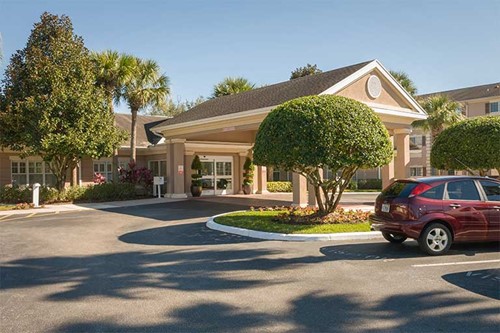 Assisted Living
Life Care Center Of Orlando
Orlando, FL
 Assisted Living
Adventhealth Care Center Orlando North
Orlando, FL
 Assisted Living
Palm Garden Of Orlando
Orlando, FL
 Assisted Living
Courtyards Of Orlando Care Center
Orlando, FL
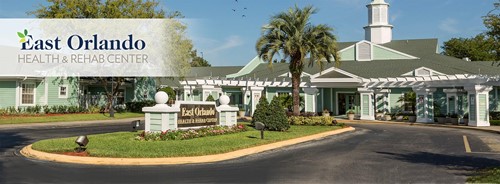 Assisted Living
Adventhealth Care Center Orlando East
Orlando, FL
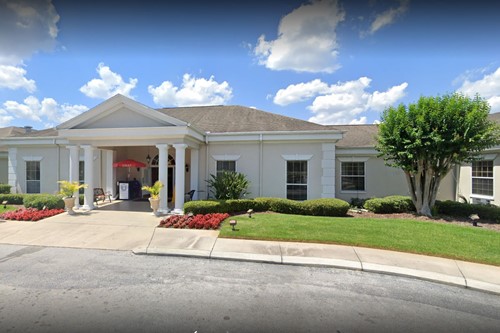 Assisted Living
Conway Lakes Health & Rehabilitation Center
Orlando, FL
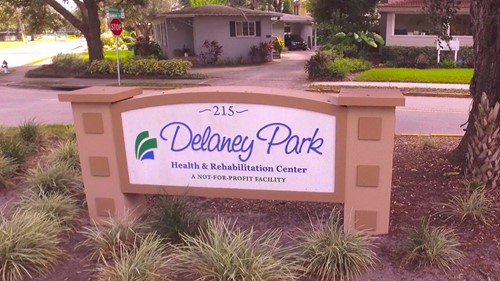 Assisted Living
Delaney Park Health And Rehabilitation Center
Orlando, FL
 Senior Care
Excellence Senior Living at Semoran
Orlando, FL
City Guide
Explore Orlando
Free Quotes
Get quotes from local pros in Orlando
Tell us what you need and we’ll pass it to companies that serve your area. It’s free, and there’s no obligation.

Compare Orlando with any city
See how it stacks up on cost, income, and quality of life.
Start Comparing