


City Profile
Tampa, Florida
USA · Comprehensive city data and intelligence
Tampa, Florida, a vibrant city on the Gulf Coast, is known for its rich history, diverse culture, and growing economy. Originally inhabited by the Tocobaga and later a Spanish outpost, Tampa blossomed into a major port city in the late 19th and early 20th centuries, driven by industries like cigar manufacturing and phosphate mining. Today, it attracts new residents with its warm climate, waterfront lifestyle, and a blend of urban amenities and natural beauty. The city offers a dynamic environment for both professionals and families, with a strong job market and a variety of recreational and cultural attractions.
Florida, known as the "Sunshine State," offers a diverse character with a laid-back beach culture and vibrant city life, attracting a mix of residents including many transplants. Its economy, the fourth largest in the U.S. as of 2024, is driven by major industries such as tourism, real estate, agriculture, aerospace and aviation, financial services, and healthcare and life sciences. Living in Florida generally entails a cost of living slightly higher than the national average, though it varies by city, with an average annual cost around $50,689 per person. The climate is characterized by hot, humid summers and mild winters, with abundant sunshine year-round, fostering an outdoor-oriented lifestyle. Florida also boasts a tax-friendly environment with no state income tax.

Featured Events
Happening in Tampa
Featured and sponsored events in Tampa.
Local Directory
Businesses in Tampa
Featured local businesses in Tampa.
Performance
Quality Scores
Expenses
Cost of Living
The cost of living in Tampa is generally in line with the national average, though some aspects can be slightly higher. Housing costs, particularly for purchasing a home, have seen significant increases, reflecting the city's growing popularity. While utilities and transportation costs are comparable to or slightly above national averages, the absence of a state income tax in Florida can offset some expenses for residents. Overall, Tampa offers a balance between affordability and a high quality of life, making it an attractive option for many.
Income
Salary Insights
Tampa's job market is robust and diverse, with a notable increase in private sector employment. In December 2024, the Tampa metro area saw a 1.2% increase in private sector jobs over the year, adding 17,500 positions. Key growth sectors include education and health services, manufacturing, financial activities, and professional, scientific, and technical services. The city is recognized as a top market for talent, attracting prime-age, high-earning, and college-educated workers. The unemployment rate in Tampa was 4.8% as of April 2026, which is slightly higher than the national average.
The average salary in Tampa is $65,000 per year. You would need approximately $70,000 to live comfortably.
Employment
Top Industries
Weather
Climate
Mobility
Transport
Getting around Tampa primarily relies on personal vehicles, with an average commute time of 24.8 minutes in 2024. While the city has an average Walk Score of 50, indicating that some errands can be accomplished on foot, walkability varies significantly by neighborhood. Downtown Tampa and Channelside are among the most walkable areas. Public transportation options include buses and a historic streetcar, with a monthly transit pass costing around $65. The city's overall transit score is 31, suggesting a moderate level of public transport availability.

At a Glance
Pros & Cons
Advantages
Drawbacks
Head to Head
Compare Tampa
Community Q&A
Questions about Tampa
What people ask about living in and moving to Tampa, Florida.
Is Tampa a safe city to live in?
Tampa’s safety score is 45 out of 100, indicating that crime levels are higher than the national average. Safety can vary widely by neighborhood, with some areas reporting lower incident rates and others experiencing more frequent property or violent crimes. The city’s police department provides crime maps and statistics on its official site, which can help you identify safer zones. When choosing a place to live, con...
What are the main industries hiring in Tampa right now?
Tampa’s economy is diversified, with strong employment in finance, healthcare, tourism, and a growing technology sector. The city hosts a number of corporate headquarters, financial services firms, and a vibrant startup scene that often seeks software developers, data analysts, and IT support staff. For tech‑focused job seekers, checking the city’s economic development office website or statewide job boards can revea...
What should I know about moving to Tampa in terms of utilities and services?
When relocating to Tampa, start by setting up electricity, water, and gas accounts with the city’s utility providers; most allow online activation. Internet and cable services are offered by several regional carriers, and you can compare plans on their websites. If you have a vehicle, register it with the state motor vehicle department within 30 days of moving and obtain a local driver’s license. Don’t forget to upda...
How does Tampa’s cost of living compare to the national average?
Tampa’s cost‑of‑living index is set at 100, which means it matches the national average. Your everyday expenses for groceries, transportation, and healthcare will be roughly in line with what you’d pay across the United States. Because the average salary in Tampa is about $65,000 per year, many residents find that their income comfortably covers typical expenses, especially when paired with the average rent of $1,800...
What public transportation options are available in Tampa?
Tampa’s public transit is operated by the regional transit authority, which runs bus routes throughout the city and surrounding suburbs. The system includes regular daytime routes, limited‑service express lines, and a few commuter routes that connect to major employment centers. For shorter trips, there are also bike‑share programs and scooter rentals that operate in downtown and nearby neighborhoods. You can find sc...
How are public schools rated in Tampa?
Tampa’s public schools are administered by the county school district, which publishes performance scores and school report cards on its website. Overall, the district offers a mix of high‑performing magnet programs, standard comprehensive schools, and schools with specialized curricula such as STEM or arts. Parents often look at standardized test results, graduation rates, and extracurricular options to gauge qualit...
Where can I find quality healthcare services in Tampa?
Tampa is served by several major medical centers and a network of community clinics that provide primary and specialty care. The city’s health department website lists hospitals, urgent‑care facilities, and physician groups, along with patient satisfaction scores and accreditation details. For a primary care doctor, you can search the state medical board’s provider directory or use health‑insurance member portals to...
How does the average salary in Tampa compare to the cost of living?
The average annual salary in Tampa is about $65,000, which aligns closely with the city’s cost‑of‑living index of 100 (the national average). With an average rent of $1,800 per month, a $70,000 salary would generally cover housing, transportation, food, and healthcare comfortably, leaving room for savings or discretionary spending. However, personal budgeting depends on lifestyle choices, family size, and debt obliga...
What is the typical rent for a one‑bedroom apartment in Tampa?
In Tampa the average rent across all apartment sizes is about $1,800 per month, according to recent data. One‑bedroom units in central areas tend to be close to that average, while smaller studios may be slightly lower and larger two‑bedrooms a bit higher. When budgeting, also factor in utilities, which can add $100‑$150 monthly, and any parking fees if you have a car. Checking local rental listings on major housing...
What are the top free or low‑cost activities in Tampa?
Tampa offers a variety of affordable leisure options. Public parks and waterfront trails provide space for walking, jogging, and picnicking at no cost. The city’s cultural district hosts free outdoor concerts and art installations throughout the year, and several museums have designated free‑admission days or discounted tickets for residents. You can also explore historic neighborhoods on self‑guided walking tours us...
Answers marked “AI answer” were written by AI as a starting point and may be out of date. Live in Tampa? Add your own answer.
FAQ
Frequently Asked Questions
Related
Insights about Tampa
Businesses for Sale in Tampa
Explore active acquisition & franchise opportunities .


Senior Care in Tampa
131 assisted living, nursing & memory care facilities in Tampa.
 Senior Care
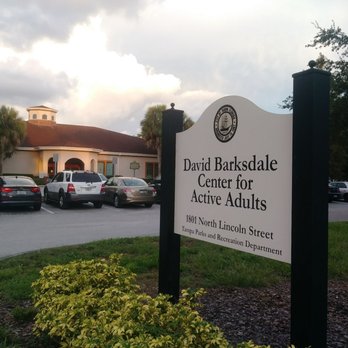
David Barksdale Senior Citizen Center
Tampa, FL
 Senior Care
Atrium Gardens ALF
Tampa, FL
 Senior Care
Alimar Asisted Living
Tampa, FL
 Senior Care
Allegro Senior Living – South Tampa Hyde Park, FL
Tampa, FL
 Senior Care
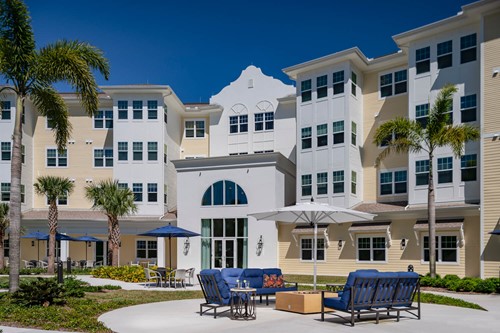
Arbor Terrace Citrus Park
Tampa, FL
 Senior Care
Renaissance North Tampa
Tampa, FL
 Assisted Living
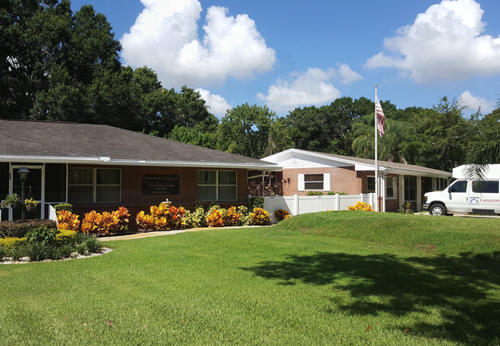
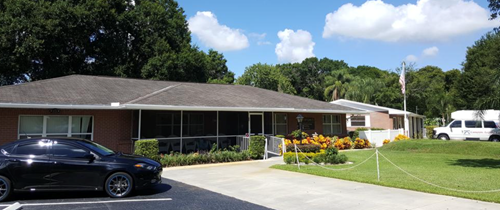
Cameron Assisted Living Facility III
Tampa, FL
 Assisted Living
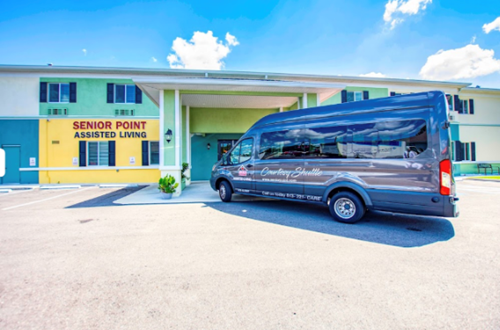
Cameron Assisted Living Facility II
Tampa, FL
 Assisted Living
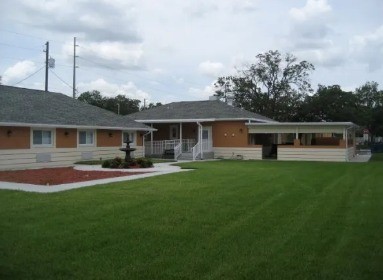
Senior Point Assisted Living Facility
Tampa, FL
 Assisted Living
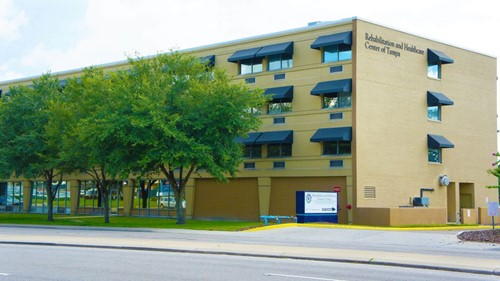
Bamboo Villas Assisted Living Facility
Tampa, FL
 Assisted Living
Rehabilitation And Healthcare Center Of Tampa
Tampa, FL
 Assisted Living
Best Care Senior Living at Saint Joseph
Tampa, FL
City Guide
Explore Tampa
Free Quotes
Get quotes from local pros in Tampa
Tell us what you need and we’ll pass it to companies that serve your area. It’s free, and there’s no obligation.

Compare Tampa with any city
See how it stacks up on cost, income, and quality of life.
Start Comparing